

Owning a rental property in Calgary comes with real responsibilities, and few situations test a landlord more than a property emergency. Whether it is a burst pipe at midnight or a heating failure in the middle of January, your ability to respond quickly can be the difference between a manageable repair and a serious liability. Understanding what qualifies as an emergency, what the law requires of you, and how to stay prepared around the clock is essential for every Calgary landlord.
This guide walks you through everything you need to know about emergency repairs and after-hours maintenance, from your legal obligations under Alberta’s Residential Tenancies Act to building a reliable response plan that protects both your tenants and your investment.
What Counts as a Property Emergency?
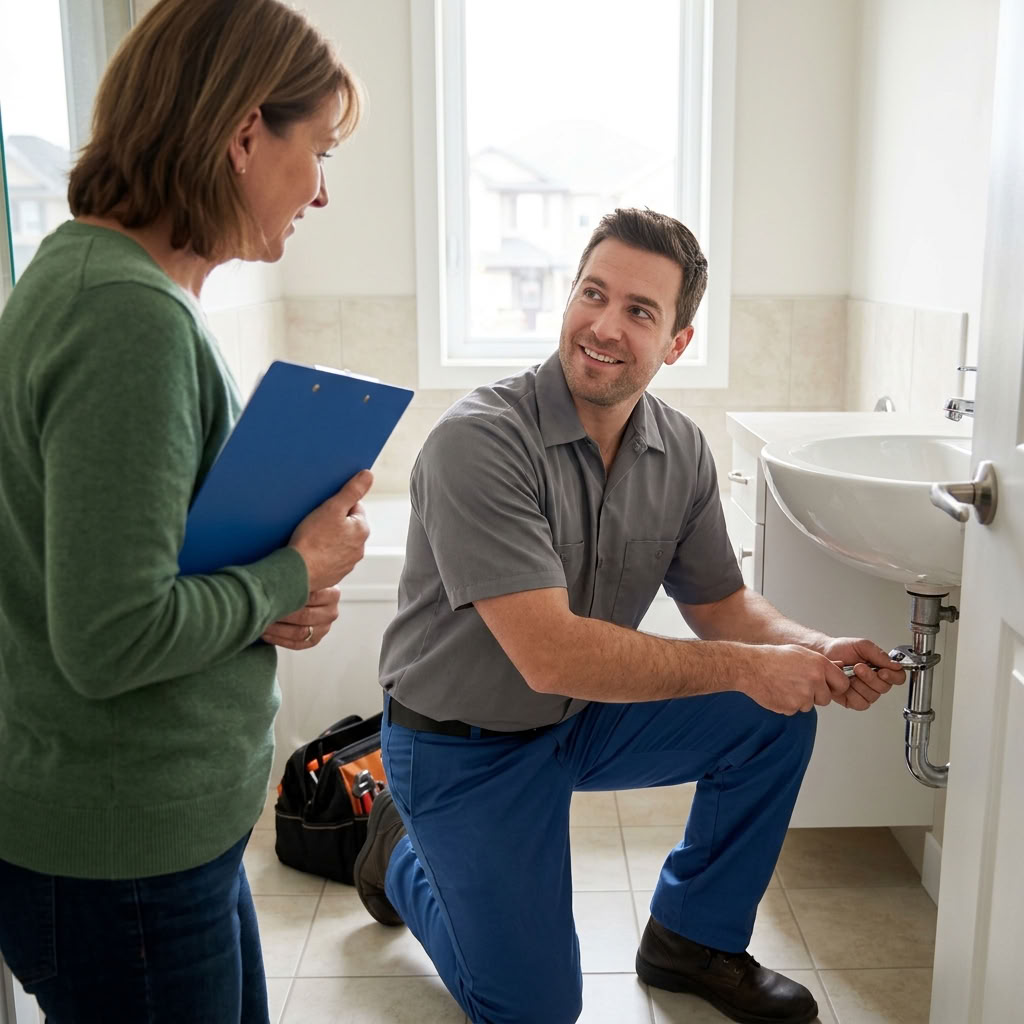
A property emergency is any situation that poses an immediate risk to tenant safety, makes the unit uninhabitable, or threatens serious structural or mechanical damage to the property. Not every maintenance request falls into this category, and knowing the difference helps you prioritize correctly and avoid unnecessary after-hours costs.
True emergencies for Calgary rental properties typically include:
- Burst or leaking pipes that are causing active flooding
- Complete heating failure during cold weather, which in Calgary can become life-threatening quickly given Alberta’s winters
- Gas leaks or suspected gas leaks
- Electrical hazards such as exposed wiring, sparking outlets, or a full power failure
- Structural damage, such as a collapsed ceiling or compromised foundation
- A broken lock or door that leaves the unit unsecured
Non-emergency issues, by contrast, include things like a dripping faucet, a broken appliance that still leaves the unit livable, or cosmetic damage. These still need attention, but they do not require an immediate after-hours response. The key test is simple: if the issue threatens a tenant’s health, safety, or the basic livability of the unit, treat it as an emergency.
Your Legal Obligations During a Property Emergency in Calgary

Under Alberta’s Residential Tenancies Act, landlords are legally required to maintain rental properties in a condition that is safe and fit for habitation. This obligation does not pause after business hours. When an emergency arises, you are expected to act promptly, regardless of the time or day.
Failing to respond to a genuine emergency can expose you to serious consequences. Tenants may be legally permitted to arrange their own repairs and seek reimbursement, file a complaint with the Residential Tenancy Dispute Resolution Service (RTDRS), or in extreme cases, treat the situation as a breach of the tenancy agreement. In some circumstances, delayed response can also affect insurance claims if an insurer determines that the landlord’s inaction worsened the damage.
It is also worth understanding that your liability does not end at the point of damage. If a tenant is injured because a known hazard was not addressed, you may face additional legal exposure. Keeping a clear record of your response, including when you were notified and what steps you took, is your best protection.
How Quickly Must a Calgary Landlord Respond?
Alberta’s Residential Tenancies Act does not specify exact hour-by-hour response windows for every type of repair, but the standard applied by the RTDRS and courts is that emergency repairs must be addressed as soon as reasonably possible. In practice, this means:
For true emergencies such as gas leaks, flooding, or heating failures in winter, a response should begin within hours, not days. You should contact the appropriate vendor immediately and keep the tenant informed throughout. For urgent but non-life-threatening issues, such as a malfunctioning hot water heater, a response within 24 hours is generally expected. For routine repairs that do not affect habitability, a reasonable timeline of several days to a couple of weeks is typically acceptable, as long as communication with the tenant is maintained.
Documentation matters at every stage. Record the time and date you received the report, your response actions, who you contacted, and when the repair was completed. This paper trail protects you if a dispute arises later.
Building an Emergency Response Plan for Your Rental Property
A solid emergency response plan does not have to be complicated, but it needs to exist before something goes wrong. Landlords who wait until a crisis to figure out who to call almost always spend more time and money than those who have a plan ready.
Start by identifying the key risks specific to your Calgary rental property. An older building may have aging plumbing or electrical systems that are more likely to fail. A condo unit has different exposure points than a detached house. Once you understand your property’s vulnerabilities, you can build a response plan that addresses them directly.
Your emergency response plan should include trusted vendor contacts for plumbing, electrical, HVAC, and general contractors, with after-hours availability confirmed in advance. It should also document the location of all utility shutoffs, including water, gas, and electrical panels, so that either you or a tenant can act quickly in the first moments of an emergency. Alongside this, your plan should outline a clear tenant communication protocol covering how tenants should report emergencies and what they should expect in return.
Keep your insurance documentation accessible and review your policy annually to confirm it covers emergency repair scenarios. Store copies of your plan in a place you can access remotely, since emergencies do not always happen when you are near your files.
What Information Should You Give Tenants in Advance?
One of the most practical things you can do as a Calgary landlord is give tenants the information they need to act correctly in an emergency before one ever happens. This is best done at the start of the tenancy, either as part of your move-in package or as a separate emergency information sheet.
At a minimum, tenants should know your direct contact number and the best way to reach you after hours. They should also have the number of your designated property manager or on-call vendor if you have one. Walk tenants through the location of water shutoffs, the gas meter, and the electrical panel at move-in. Make sure they know which situations qualify as emergencies worth calling about immediately, and which should be submitted through your standard maintenance request process. Clear upfront communication reduces panic, prevents mishandled responses, and protects you from claims that you were unreachable.
After-Hours Maintenance: How to Stay Covered Around the Clock

Most property emergencies do not happen at convenient times. Pipes burst overnight. Furnaces fail on weekends. Locks break on statutory holidays. If you do not have a plan for after-hours coverage, you are leaving both your tenants and your property exposed every hour you are not available.
There are two main approaches Calgary landlords take to after-hours maintenance coverage. The first is self-managing, where you handle calls personally and maintain your own list of vendors willing to respond after hours. The second is working with a professional property management company that offers 24/7 support as part of their service.
Having genuine around-the-clock coverage, whether through your own network or a management company, is one of the most effective ways to limit emergency repair costs. Studies in property management consistently show that faster response to water and structural damage significantly reduces total repair costs, since secondary damage from flooding, mold, or freezing compounds quickly in Alberta’s climate.
Should You Handle After-Hours Calls Yourself or Hire a Property Manager?
Self-managing after-hours emergencies is possible, but it comes with real trade-offs. You need to be reachable at all hours, have pre-established vendor relationships, and be able to make fast decisions under pressure, often without all the information you would want. For landlords with one or two properties and strong local contractor networks, this can work. But as your portfolio grows, the personal burden becomes significant.
A professional property management company with 24/7 emergency support changes that equation entirely. Rather than fielding a panicked call at 2 a.m. and scrambling to find an available plumber, the management company handles the entire response. They contact the right vendor, coordinate access, keep the tenant informed, and document everything. You receive a report once the situation is resolved. This approach also reduces your liability exposure, since the management company’s established processes and vendor relationships mean issues are typically addressed faster and more consistently than when handled ad hoc.
DGM Property Management, for example, provides round-the-clock emergency support for Calgary rental properties. With over 15 years of local experience and a pre-vetted network of emergency contractors, their team handles urgent situations from the first call through to final documentation, so landlords are never left managing a crisis alone.
Working with Emergency Vendors in Calgary
Your ability to respond quickly in an emergency is only as good as the vendors behind you. Having a trusted, pre-approved list of emergency contractors is one of the most valuable things you can build before a problem occurs.
Start by identifying vendors across the key categories: plumbing, electrical, HVAC, and general contracting. For each trade, confirm they offer emergency or after-hours service, ask for references from other property owners, and check that they are licensed and insured in Alberta. A vendor who cannot show valid credentials should not be on your emergency list, regardless of how competitive their pricing is.
Building this list takes time, but it pays off. When a pipe bursts at 11 p.m., you do not want to spend the first 45 minutes searching online for someone available. You want to make one call from a list you already trust.
What Should a Vendor Agreement Include for Emergency Situations?
Before an emergency happens, establish clear terms with your key vendors in writing. A basic vendor agreement for emergency work should cover several important points.
Response time commitments are essential. Agree on what “emergency response” means in terms of arrival time, whether that is two hours or four hours, and make sure that expectation is documented. Pricing transparency matters just as much. Agree on after-hours call-out rates, labor rates, and whether there is a pricing cap for initial emergency work before additional authorization is needed. Your agreement should also spell out how authorization works in practice. Who can approve repairs, up to what dollar amount, and what happens if the landlord or property manager cannot be reached? Having these terms established in advance avoids confusion and protects you from unexpected invoices.
Documenting Emergency Repairs: Why It Matters
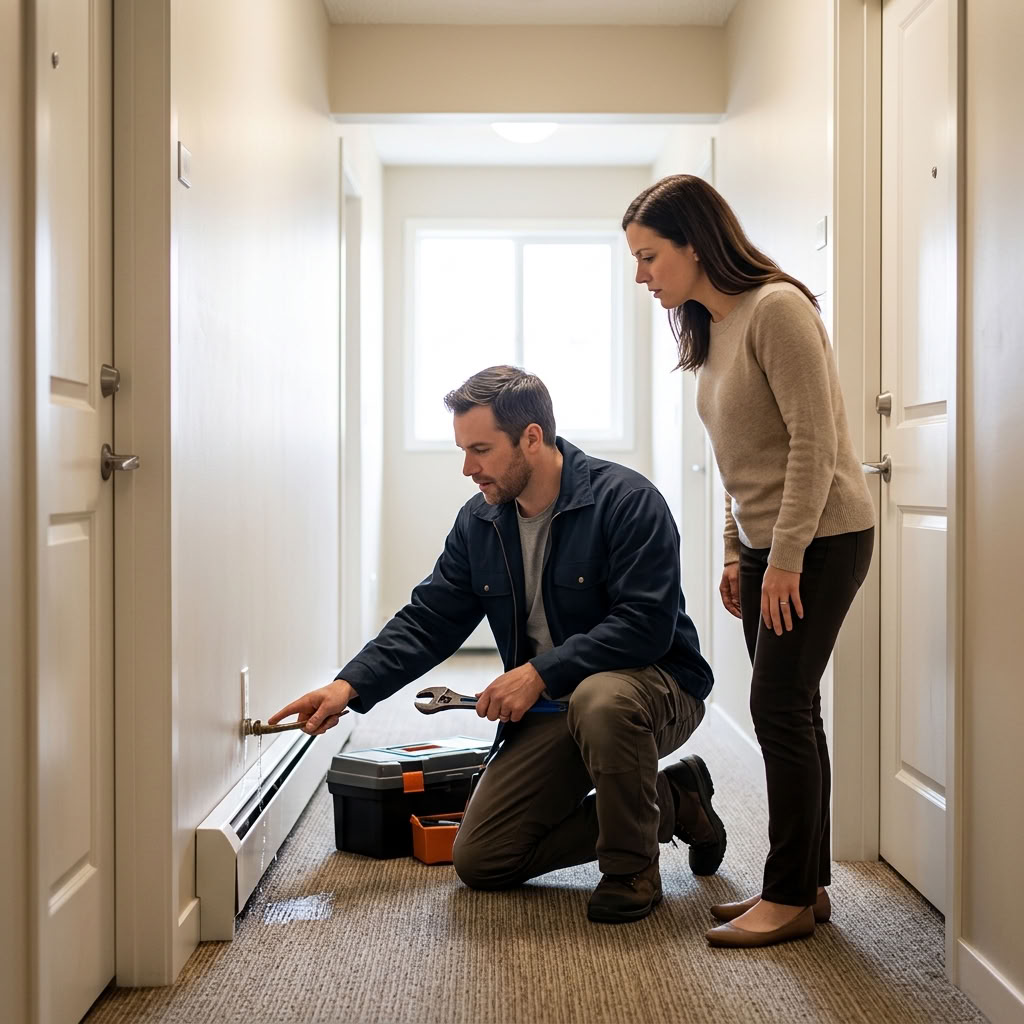
Good documentation after an emergency repair is not optional. It is your protection in insurance claims, tenant disputes, and any legal proceedings that might follow. The quality of your records can determine whether a claim is approved or denied and whether you can successfully counter a tenant’s dispute about repair responsibility.
As soon as an emergency is reported, start a written record. Note the date and time of the tenant’s report, the nature of the issue, and every action you took in response. Photograph the damage before any repair work begins, and photograph the completed repair as well. Collect invoices and receipts from every vendor involved and keep copies in a dedicated file for that property.
Tenant acknowledgment is also valuable. If possible, get a written confirmation from the tenant that the repair was completed and that the issue has been resolved. This does not need to be formal. A brief email exchange is sufficient. Over time, this documentation creates a clear, organized record of how you manage your properties, which supports your credibility with insurers, in court, and with future tenants or buyers.
How a Property Management Company Handles Emergencies in Calgary
When a genuine emergency hits a rental property, the coordination involved can be significant. Someone needs to receive the tenant’s report, assess whether it is a true emergency, contact the right vendor, manage property access, keep the tenant informed, and make sure the repair is completed and documented correctly. For a landlord managing this alone, that process can be overwhelming, especially outside of business hours.
A full-service property management company handles every step of that process. From the moment the emergency is reported, the management team takes over. They triage the situation, dispatch the appropriate pre-approved vendor, coordinate with the tenant, and maintain documentation throughout. The landlord is kept informed without having to manage the logistics personally.
DGM Property Management’s 24/7 support model is built specifically for this kind of situation. Their team combines local market knowledge, established vendor relationships, and deep familiarity with Alberta’s tenancy regulations to manage emergencies with speed and accuracy. For Calgary landlords who want to protect their properties and their tenants without being on call around the clock, working with a professional property management company is one of the most practical decisions you can make.
Frequently Asked Questions
What qualifies as a property emergency for a Calgary landlord?
A property emergency is any situation that immediately threatens tenant safety, makes the unit uninhabitable, or risks serious damage to the property if not addressed quickly. Common examples include burst pipes, complete heating failure in winter, gas leaks, electrical hazards, and structural damage. A dripping tap or a broken appliance that still leaves the unit livable would not typically qualify as an emergency.
How quickly does a landlord have to respond to an emergency repair in Alberta?
Alberta’s Residential Tenancies Act requires landlords to maintain properties in a safe and habitable condition, and emergency issues must be addressed as soon as reasonably possible. For life-safety emergencies such as gas leaks or flooding, a response should begin within hours. For urgent but non-critical issues, 24 hours is generally the accepted standard. Slow or absent responses can result in tenant remedies through the RTDRS.
Can a tenant arrange their own emergency repair and deduct the cost from rent in Calgary?
In Alberta, tenants do have some rights to arrange repairs if a landlord fails to act on a genuine emergency after being notified. However, this is not a straightforward process and involves specific steps under the Residential Tenancies Act. Tenants cannot simply deduct costs from rent without following the correct procedure. Landlords who respond promptly and document their actions significantly reduce the risk of this situation arising.
What should I do if a pipe bursts in my Calgary rental property after hours?
Contact your tenant immediately to confirm the extent of the situation and ask them to locate and turn off the water shutoff if it is safe to do so. Then call your pre-approved emergency plumber. If you work with a property management company, contact their 24/7 line, and they will coordinate the full response. Document everything from the moment you receive the report.
How can a property management company help with after-hours emergencies?
A property management company with 24/7 support handles emergency calls, dispatches pre-vetted vendors, manages tenant communication, coordinates property access, and maintains full documentation on your behalf. This means emergencies are handled quickly and professionally without you having to manage the situation personally, regardless of the time of day.
What documentation should I keep after an emergency repair at my rental property?
Keep a written record of when the issue was reported, your response steps, vendor invoices, before and after photographs, and any communication with the tenant confirming the repair was completed. Store these records in a dedicated property file. This documentation is essential for insurance claims and any potential disputes.
Does my landlord insurance cover emergency repair costs in Calgary?
Coverage depends on your specific policy. Most standard landlord insurance policies cover sudden and accidental damage, such as a burst pipe, but may not cover damage resulting from gradual deterioration or lack of maintenance. Review your policy with your insurer annually and confirm what emergency scenarios are covered. Prompt response and good documentation strengthen any claim you may need to file.
Have questions about managing emergency repairs on your Calgary rental property? Share your experience in the comments or reach out to DGM Property Management to learn how their 24/7 support team can help protect your investment.