


Buying a rental property in Calgary is one of the smartest financial moves you can make right now. But the gap between owning a property and actually profiting from it comes down to what you do in the weeks right after closing. Most new landlords focus heavily on the purchase itself and then scramble to figure out the rest. The truth is, setting up your Calgary rental property the right way from day one determines how much income you earn, how long your units stay vacant, and whether your investment grows or drains you over time.
Why the First 90 Days After Purchase Are Critical
The first 90 days after buying a rental property are not a grace period. They are a working window, and how you use that time sets the tone for everything that follows. New landlords often underestimate the amount of preparation required before a single tenant walks through the door. From legal compliance to physical readiness to market positioning, every decision in this period has a direct impact on your vacancy rate, monthly rental income, and long-term property value.
Calgary’s rental market is active and competitive. As of 2026, the city’s vacancy rate remains tight, sitting around 2.1% according to CMHC data, which means well-prepared properties get leased quickly while poorly prepared ones sit empty and bleed holding costs. The landlords who treat this preparation period seriously are the ones who see returns within the first few months rather than chasing them a year later.
The most common early mistakes include skipping professional inspections, mispricing the unit, ignoring Alberta’s Residential Tenancies Act requirements, and rushing to place the first applicant without proper screening. Each of these errors creates problems that are far more expensive to fix later. Getting the foundation right in the first 90 days protects your investment for the years ahead.
Is Your Calgary Property Rent-Ready?
Before you list your property or accept any applications, you need to ask one honest question: is this property actually ready for a tenant? “Rent-ready” does not just mean the unit is clean. It means the property is safe, functional, legally compliant, and presented in a way that attracts quality tenants willing to pay market rate.
What “Rent-Ready” Actually Means in Calgary
A rent-ready property in Calgary meets a specific standard that goes beyond a fresh coat of paint. Alberta’s Residential Tenancies Act outlines baseline habitability requirements that landlords are legally obligated to meet before placing a tenant. These include working heating systems (which in Calgary is non-negotiable given winter temperatures), proper ventilation, functioning plumbing, secure entry points, and no active infestations or structural hazards.
Beyond legal minimums, rent-ready means the property is competitive. Calgary renters in 2026 expect updated kitchens or at least clean functional ones, in-suite laundry or accessible shared laundry, reliable parking where applicable, and a unit that feels well-maintained rather than neglected. Properties that meet this expectation rent faster and attract tenants who take better care of the space.
A pre-rental inspection by a licensed professional is a step many new landlords skip because they assume they know the condition of a property they just bought. That assumption is costly. Inspectors regularly find electrical issues, hidden water damage, HVAC problems, and code violations that were either undisclosed or missed during the purchase inspection. Fixing these before a tenant moves in is far simpler and cheaper than dealing with them as emergency repairs mid-tenancy.
Key Repairs and Updates Worth Making Before You List
Not every upgrade delivers equal return. Some improvements significantly raise your rental value and attract better tenants, while others are purely cosmetic and do little for your bottom line. Knowing the difference is essential.
High-impact updates that consistently improve Calgary rental outcomes include fresh neutral paint throughout the unit, deep professional cleaning, updated light fixtures, new door hardware, and fresh caulking in bathrooms and kitchens. These are relatively low-cost changes that make a property feel newer and better maintained than it is. Flooring is another area worth addressing: scratched hardwood or worn carpet signals neglect to prospective tenants and typically justifies a lower rent offer.
Larger investments like kitchen renovations or bathroom overhauls should only be made if the numbers support it. In Calgary’s mid-range rental market, a full kitchen renovation rarely returns its full cost in additional monthly rent. A partial refresh, such as replacing cabinet hardware, adding a new faucet, and installing a modern backsplash, often achieves a similar visual impact at a fraction of the cost.
Understanding Calgary’s Rental Market Before You Price

Pricing your rental unit correctly from the start matters more than most landlords realize. Setting the rent too high leads to extended vacancy, which quickly erases any income advantage. Setting it too low locks you into a below-market rate that affects your annual returns and makes it harder to justify future increases under Alberta’s tenancy guidelines.
Calgary’s rental market varies significantly by neighbourhood, property type, and suite configuration. As of early 2026, average monthly rents for a two-bedroom apartment in Calgary sit between $1,850 and $2,400 depending on the quadrant and proximity to amenities, transit, and employment centres. Inner-city communities like Beltline, Kensington, and Mission command premium rates due to walkability and lifestyle appeal. Communities in the northeast and southeast tend to offer more affordable rents but often attract a different tenant profile.
To price accurately, spend time reviewing active listings on Rentals.ca, Zumper, and Kijiji for comparable units in your area. Look at what has actually leased rather than what is currently listed. A property that has been sitting for three weeks is likely overpriced. Speaking with a local property management team that tracks real-time rental data is often the most reliable way to land on a competitive, income-maximizing number.
Setting Up the Legal and Financial Foundation
Running a rental property in Calgary without a proper legal and financial structure is one of the most expensive shortcuts a landlord can take. Alberta has specific laws governing tenancies, and being unfamiliar with them does not protect you from their consequences.
Alberta Tenancy Law: What Calgary Landlords Need to Know
The Residential Tenancies Act of Alberta governs almost every aspect of the landlord-tenant relationship in Calgary. Before you place your first tenant, you need to understand the rules around security deposits (capped at one month’s rent), condition inspections (required at both move-in and move-out), notice periods for rent increases, and the process for ending a tenancy. Getting any of these wrong can expose you to disputes at the Residential Tenancy Dispute Resolution Service (RTDRS), which is time-consuming and sometimes costly.
Your lease agreement should be thorough, written in plain language, and compliant with Alberta law. Using a generic lease template downloaded from the internet is risky because many of them contain clauses that are either unenforceable in Alberta or contradict provincial law. A lease drafted or reviewed by someone familiar with Alberta tenancy regulations provides far better protection.
The move-in condition inspection report is often overlooked by first-time landlords, but it is one of your most important documents. Without a signed, detailed inspection report completed with the tenant before they take possession, you have almost no legal recourse to deduct from the security deposit for damage at the end of the tenancy. This document needs to be thorough, include photographs, and be signed by both parties.
Separating Your Rental Finances from Day One
Setting up a dedicated bank account for your rental income and expenses is one of the simplest and most effective financial habits you can build. It makes tax filing cleaner, helps you track property performance accurately, and ensures you are not accidentally spending your security deposit or repair fund.
Calgary landlords can deduct a wide range of expenses against rental income, including mortgage interest, property taxes, insurance, repairs, property management fees, and professional services. Keeping clean records of these from the start saves significant stress at tax time and ensures you are not leaving deductions on the table. Working with an accountant who has experience with rental income in Alberta is worth the cost, particularly in your first year.
Finding and Screening the Right Tenants
Your choice of tenant is the single most influential variable in how your rental property performs. A reliable long-term tenant who pays on time, respects the property, and communicates openly is worth far more than a slightly higher monthly rent from someone who does neither.
Effective tenant screening in Calgary involves more than a quick phone call. A complete screening process includes a written rental application, credit check, employment and income verification, landlord reference checks from previous tenancies, and a personal interview. Income should ideally be at least three times the monthly rent to reduce payment risk. Credit scores below 650 should prompt additional scrutiny, though they are not automatically disqualifying depending on context.
Reference checks are frequently skipped or done carelessly, but they are one of your most valuable screening tools. Calling a previous landlord directly, rather than just accepting a written reference, often reveals information that would not appear in writing. Ask specific questions: Did they pay on time? Did they give proper notice? Would you rent to them again? These conversations take ten minutes and can save you months of headache.
Fair screening also means staying within the boundaries of Alberta’s Human Rights Act. You cannot decline an applicant based on protected characteristics including race, religion, gender, family status, or source of income. Consistent, documented screening criteria applied equally to all applicants is the right approach both legally and ethically.
Managing Maintenance and Building Landlord-Tenant Relationships
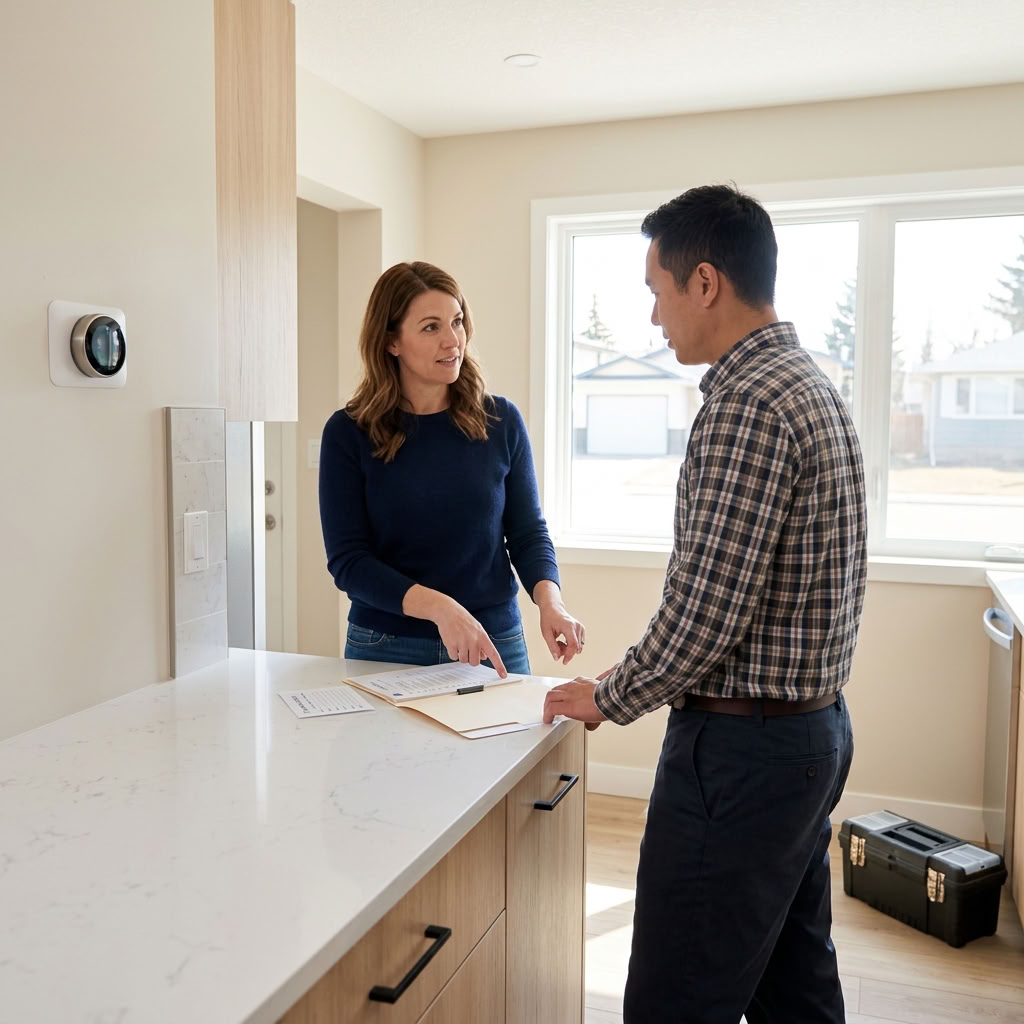
How you handle maintenance in the first weeks of a tenancy shapes the entire relationship with your tenant. Responding quickly to legitimate repair requests signals that you are a professional, attentive landlord, which in turn encourages tenants to treat the property well and stay longer. Long tenancies are one of the most direct ways to reduce your operating costs.
Build a reliable network of tradespeople before you need them. In Calgary, having trusted contacts for HVAC, plumbing, electrical, and general repairs means you are not scrambling when something breaks at 11pm in January. Emergency response time matters both for tenant satisfaction and, in some cases, legal compliance. Heating failures in Alberta’s winter, for example, require a rapid response under provincial tenancy standards.
Setting clear communication expectations from the start also helps. Let tenants know how to report maintenance issues, what counts as an emergency versus a routine request, and how quickly they can expect a response. A simple welcome letter covering these points, along with local utility contacts, waste pickup schedules, and parking rules, shows professionalism and reduces the small daily questions that consume a landlord’s time.
The Case for Professional Property Management in Calgary
Many new landlords start out managing their property themselves with the intention of saving money. Some do it successfully. But the hidden costs of self-management are often underestimated: the time spent on tenant communication, the stress of handling disputes, the risk of legal missteps, and the opportunity cost of not optimizing rent or reducing vacancy efficiently.
Professional property management in Calgary, when done well, pays for itself. A well-managed property typically achieves higher rents, lower vacancy rates, faster tenant placement, and fewer costly repair surprises. The management fee, which generally ranges from 8% to 12% of monthly rent collected in the Calgary market, is offset by these improvements in most cases.
DGM Property Management has spent over 15 years managing residential and commercial properties across Calgary. With more than 500 property owners trusting the team with their investments, the focus is always on protecting property value, placing quality tenants, and handling everything from maintenance to legal compliance so that owners can focus on what they own rather than how it runs. Whether you have one property or a growing portfolio, having an experienced team in your corner from the first 90 days makes a measurable difference in your long-term returns.
FAQ: Setting Up a Calgary Rental Property
How long does it take to set up a rental property in Calgary before it’s ready to list?
Most properties can be made rent-ready within two to six weeks after purchase, depending on the condition of the unit and the scope of repairs or updates needed. Properties requiring significant work may take longer. Starting the preparation process immediately after closing rather than waiting is the best way to minimize your vacancy period.
What documents do I need before placing a tenant in Calgary?
You need a written lease agreement that complies with Alberta’s Residential Tenancies Act, a signed move-in condition inspection report with photographs, a receipt for the security deposit, and confirmation that utilities have been properly transferred or set up. Keeping copies of all documents is essential.
Can I charge first and last month’s rent in Alberta?
No. Alberta law only allows landlords to collect a security deposit equivalent to one month’s rent. You cannot collect last month’s rent upfront. This is one of the most common misunderstandings among new Calgary landlords coming from other provinces.
What is the average rent for a two-bedroom property in Calgary in 2026?
As of 2026, average monthly rents for two-bedroom units in Calgary range from approximately $1,850 to $2,400 depending on location, building type, and included amenities. Inner-city neighborhoods and newer builds tend to sit at the higher end of this range.
What happens if I do not complete a move-in condition inspection?
Without a completed and signed move-in inspection report, Alberta law prevents you from making deductions from the security deposit for damage beyond normal wear and tear. This means you could be left covering repair costs that the tenant caused, with no legal recourse.
Should I hire a property manager or self-manage my Calgary rental?
Both approaches can work depending on your available time, experience, and the size of your portfolio. Self-management can save money in the short term but carries higher risks for landlords unfamiliar with Alberta tenancy law. Professional property management reduces risk, typically improves tenant quality and retention, and frees up your time while often delivering better overall returns.
What repairs are landlords legally required to complete before a tenant moves in?
Alberta landlords must ensure the property is safe and habitable before a tenant takes possession. This includes functional heating, working plumbing, secure entry points, no pest infestations, and no structural hazards. Failing to meet these standards can void parts of the tenancy agreement and expose landlords to legal liability.
Setting up your Calgary rental property for long-term profit is not a complicated process, but it is a deliberate one. The landlords who succeed are the ones who treat preparation as seriously as the purchase itself. From getting the property rent-ready and pricing it correctly, to building the right legal foundation and finding quality tenants, every step you take in the early days compounds into better returns over time. If you want to skip the learning curve and get it right from the start, working with an experienced Calgary property management team is one of the most practical decisions you can make.