



If you own rental property in Calgary, you’ve probably wondered whether hiring a property manager is worth the investment. The answer depends largely on understanding what you’ll pay and what value you’ll get in return. Property management costs in Calgary typically range from 8-12% of your monthly rental income for residential properties, though the exact amount varies based on several factors including property type, services included, and the size of your portfolio.
This guide breaks down everything you need to know about property management costs in Calgary so you can make an informed decision about your investment.
Understanding Property Management Fee Structures in Calgary
Property management companies in Calgary use different pricing models, and knowing how these work helps you budget accurately and evaluate your return on investment. Most companies charge between 8-12% of monthly rental income for residential properties. This percentage-based model means your costs scale with your rental income, which some landlords prefer because they only pay when the property generates revenue.
Some companies offer flat-rate pricing instead of percentage-based fees. This model can be beneficial if you own higher-end properties with premium rents or manage multi-unit buildings where a percentage would result in disproportionately high fees. Flat rates provide predictable monthly expenses regardless of rent fluctuations.
Understanding these fee structures upfront helps you compare proposals accurately. When evaluating options, look beyond the headline percentage and examine what services are included in that base fee versus what costs extra.
What’s Included in Standard Property Management Fees?
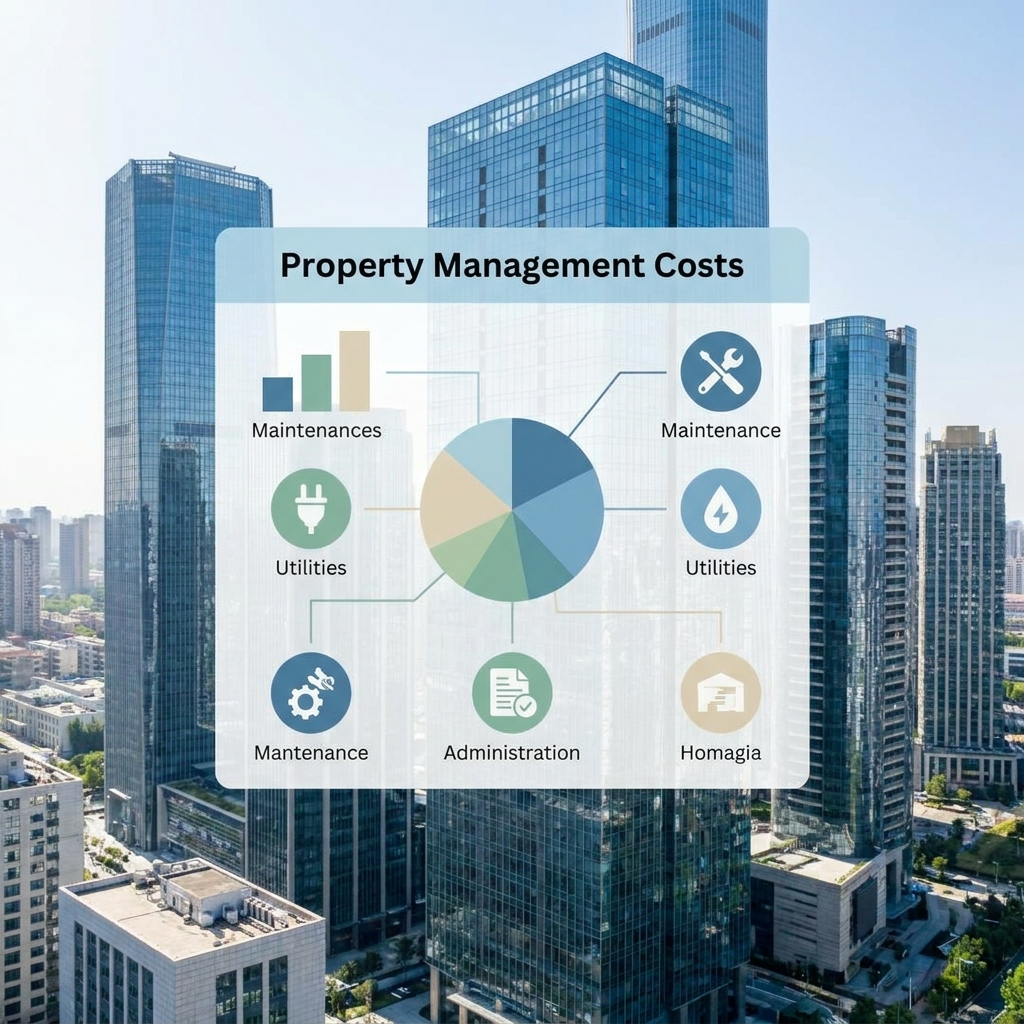
Most property management companies in Calgary include several core services in their standard fee. Knowing what’s covered helps you understand the value you’re receiving and avoid surprise charges later.
Tenant screening and placement services ensure quality tenants occupy your property. Professional managers conduct background checks, verify employment and income, check rental history, and assess creditworthiness. This thorough vetting process reduces the risk of problem tenants who might damage your property or fail to pay rent.
Rent collection and financial reporting provide transparency and consistent cash flow. Your property manager handles monthly rent collection, follows up on late payments, and provides detailed financial statements showing income and expenses. This removes the awkwardness of chasing tenants for money and gives you clear visibility into your investment performance.
Regular property inspections identify maintenance issues before they become costly problems. Most managers conduct quarterly or semi-annual inspections to check for damage, verify lease compliance, and spot maintenance needs early. Catching a small leak before it causes major water damage can save thousands of dollars.
Maintenance coordination connects you with trusted vendors at competitive rates. Property managers have established relationships with plumbers, electricians, contractors, and other service providers. They coordinate repairs, get competitive quotes, and ensure work meets quality standards without you needing to manage multiple vendor relationships.
Legal compliance management keeps your property aligned with Alberta’s residential tenancy laws. Regulations around security deposits, lease terms, eviction procedures, and property standards can be complex. Professional managers stay current with legal requirements and ensure your property operations comply with provincial and municipal rules.
24/7 emergency response protects your investment and keeps tenants satisfied. When a pipe bursts at midnight or the furnace fails in January, your property manager handles the crisis. This service protects your property from damage and maintains positive tenant relationships by addressing urgent issues promptly.
Services That May Come with Additional Charges
While standard management fees cover day-to-day operations, certain services typically cost extra. Understanding these additional charges helps you budget realistically for the total cost of professional management.
Tenant placement fees typically range from 50-100% of the first month’s rent for finding and screening new tenants. This one-time charge covers advertising costs, showing the property, processing applications, and completing all paperwork to secure a qualified tenant. Some companies waive this fee for existing clients when renewing leases with current tenants.
Lease renewal administration fees apply when existing tenants extend their contracts. Though usually much smaller than initial placement fees, these charges cover preparing renewal paperwork, negotiating terms, and updating records. Some managers include a certain number of renewals in their standard fee.
Eviction processing costs cover legal procedures and court representation when tenant removal becomes necessary. These fees vary depending on case complexity but typically include filing paperwork, attending hearings, and coordinating with legal counsel. While no landlord wants to face eviction costs, having professional support during this stressful process proves invaluable.
Major repair project management for renovations or significant maintenance work may incur additional fees beyond routine maintenance coordination. If you’re renovating a kitchen or replacing a roof, managers might charge a project fee or percentage of the work cost for overseeing contractors and ensuring quality completion.
Vacancy marketing expenses for premium listing placements or professional photography sometimes cost extra. While basic listings are usually included, enhanced marketing like professional photos, virtual tours, or premium ad placements might require additional investment to attract quality tenants quickly.
How Do Calgary Property Management Costs Compare by Property Type?

Property management costs vary significantly depending on what type of property you own. Understanding these differences helps you evaluate whether the fees you’re quoted align with market standards.
Single-Family Home Management Costs
Management fees for single-family homes typically range from 9-11% of monthly rent. This middle-range pricing reflects the moderate complexity of managing standalone properties with one tenant relationship to maintain.
Additional placement fees apply when turnover occurs, which for single-family homes might happen every one to three years depending on tenant quality and lease terms. Consider the value of professional tenant screening to minimize vacancy periods. A property manager’s marketing expertise and tenant network often fills vacancies faster than self-managing landlords can, reducing the income loss from empty properties.
Multi-Unit Property Management Pricing
Percentage-based fees often decrease as the number of units increases. A fourplex might see fees around 8-10%, while larger apartment buildings could negotiate rates as low as 6-8%. This pricing reflects economies of scale where certain administrative tasks don’t multiply proportionally with unit count.
Economies of scale reduce per-unit costs for buildings with four or more units. Marketing vacant units, conducting inspections, and coordinating maintenance become more efficient when concentrated in one location. Some companies offer portfolio discounts for owners with multiple properties across different locations, recognizing the value of managing several assets for one client.
Commercial Property Management Fees
Commercial properties typically see fees between 4-8% due to longer lease terms and higher rental values. A commercial tenant might sign a five-year lease compared to one-year residential leases, meaning less frequent turnover and tenant placement work.
More complex lease agreements and tenant relationships require specialized expertise. Commercial management involves CAM reconciliations, percentage rent calculations, and more sophisticated financial reporting. CAM (Common Area Maintenance) reconciliation may incur additional charges beyond the base management fee since it requires detailed accounting and tenant billing.
Factors That Influence Property Management Costs in Calgary

Several variables affect what you’ll pay for property management services. Understanding these factors helps you anticipate costs and evaluate whether higher fees might deliver better value.
Property location and neighborhood affect service requirements and market competition. Properties in established neighborhoods with stable tenant demand might cost less to manage than those in areas requiring more intensive marketing or tenant screening efforts.
Property condition and age determine maintenance frequency and coordination needs. Older properties or those with deferred maintenance require more hands-on management, which some companies address through higher fees or additional charges for excessive maintenance coordination.
Tenant quality and turnover rate impact administrative workload and placement costs. If you currently have problematic tenants or high turnover, expect to pay more in placement fees initially. However, professional management usually improves tenant quality over time, reducing these costs.
Service level expectations shape pricing based on whether you want basic rent collection or comprehensive management. Some landlords prefer handling maintenance coordination themselves and only need financial services, while others want completely hands-off management. More comprehensive service packages naturally cost more.
Local market conditions in Calgary’s competitive rental market influence fee structures. When demand for management services is high, companies have less incentive to discount their rates. Conversely, you might find better deals when companies are actively building their client base.
Years of experience and company reputation often correlate with premium pricing but better results. Established companies with proven track records might charge slightly more than newer competitors, but their expertise in tenant selection, legal compliance, and maintenance management often delivers superior outcomes that justify higher fees.
Are Property Management Fees Tax Deductible?
Property management fees are generally tax-deductible business expenses for rental property owners. This tax treatment applies whether you pay a percentage of rent or flat monthly fees.
These costs reduce your taxable rental income on your annual tax return. For example, if you collect $24,000 in annual rent and pay $2,400 in management fees, you only pay tax on $21,600 (minus other eligible expenses). This deduction effectively reduces your net cost of professional management.
Maintaining detailed records of all management fees and related expenses is essential for tax purposes. Keep monthly statements, invoices for additional services, and documentation of what services these fees covered. Good record-keeping protects you if the Canada Revenue Agency questions your deductions.
Consult with a tax professional to maximize deductions and ensure compliance with CRA regulations. Tax laws change, and a qualified accountant can identify all eligible deductions while ensuring you meet reporting requirements. Professional financial reporting from your management company simplifies tax preparation by providing organized documentation of all rental income and expenses.
Hidden Costs to Watch for in Property Management Contracts
Not all property management costs are obvious from the advertised percentage rate. Being aware of potential hidden fees helps you compare companies accurately and avoid surprise charges.
Setup or onboarding fees charged when you first engage a management company cover the administrative work of adding your property to their systems, photographing it, creating listings, and establishing vendor relationships. These one-time fees typically range from $100-300 but aren’t always disclosed upfront.
Contract termination penalties if you decide to switch providers before the term ends can be substantial. Some contracts lock you in for one or two years with fees equivalent to several months of management charges if you leave early. Always clarify termination terms before signing.
Markup on maintenance and repair services beyond standard coordination fees means some companies add a percentage to vendor invoices. While having your manager coordinate repairs is convenient, paying 10-20% more than the actual service cost adds up over time. Ask whether the company marks up vendor services or charges only coordination fees.
Administrative fees for routine tasks like lease preparation or inspection reports sometimes appear as line items beyond the base management fee. While some fees for extra services are reasonable, charges for basic functions that should be included in standard management suggest you’re not getting good value.
Technology or software fees for accessing online portals or financial dashboards are increasingly common. Some companies charge $10-25 monthly for portal access that lets you view financial reports, maintenance requests, and property information online. Clarify whether technology access is included or costs extra.
Review contracts carefully and ask questions about any unclear charges before signing. A reputable management company will explain their complete fee structure transparently and put all costs in writing.
Calculating the True Value of Professional Property Management
Understanding costs is only half the equation. The real question is whether professional management delivers enough value to justify its expense.
Professional management typically reduces vacancy periods through effective marketing and tenant screening. Industry data shows professionally managed properties often achieve 5-10 fewer vacancy days than self-managed properties. For a property renting at $2,000 monthly, reducing vacancy by just seven days saves roughly $467, which could offset management fees for months.
Quality tenants sourced through thorough screening processes minimize damage and late payments. Bad tenants can cost thousands in property damage, legal fees, and lost rent. Professional screening reduces these risks substantially, protecting your investment and cash flow.
Preventive maintenance programs identified through regular inspections save money on emergency repairs. Catching issues early prevents minor problems from becoming major expenses. Replacing a worn water heater on schedule costs far less than dealing with water damage from a catastrophic failure.
Legal compliance expertise protects you from costly violations and dispute resolutions. Mistakes in security deposit handling, eviction procedures, or lease terms can result in fines, legal fees, and judgments against you. Professional managers stay current with regulations and handle procedures correctly.
Time savings allow you to focus on portfolio growth rather than day-to-day operations. Consider what your time is worth. If managing your property requires 10 hours monthly and your time is worth $50 per hour, you’re spending $500 in opportunity cost even before accounting for stress and learning curves.
Consider the cost of self-management, including your time, stress, and potential mistakes. Many landlords find that attempting to save on management fees actually costs more when accounting for vacancies, problem tenants, deferred maintenance, and their own time investment.
How to Negotiate Property Management Fees in Calgary

Property management fees aren’t always set in stone. Understanding negotiation opportunities helps you secure better terms without sacrificing service quality.
Multiple properties or long-term contracts provide leverage for reduced percentage rates. If you own several properties or commit to a multi-year agreement, companies may reduce their fees in exchange for stable, long-term business. A landlord with three properties might negotiate an 8% rate instead of the standard 10%.
Request transparency about which services are included versus add-on costs. Getting clarity upfront prevents misunderstandings and helps you compare companies accurately. Ask for a complete fee schedule covering standard services, additional charges, and any potential extra costs.
Compare proposals from multiple companies to understand market rates and value propositions. Meeting with three to five management companies gives you leverage and helps identify what’s standard versus what’s premium pricing. Use these comparisons to negotiate better terms with your preferred provider.
Ask about performance incentives tied to occupancy rates or rent optimization. Some companies will negotiate lower base fees in exchange for bonuses when they maintain high occupancy or increase rents above certain benchmarks. This arrangement aligns incentives so your manager focuses on maximizing your returns.
Clarify terms around fee increases and contract renewal conditions. Will your rate stay fixed for multiple years, or can it increase annually? Understanding long-term cost stability helps you project expenses accurately.
Don’t sacrifice quality service for the lowest price, as poor management can cost more long-term. The cheapest option often cuts corners on tenant screening, property inspections, or maintenance quality. These shortcuts lead to bigger problems that cost far more than the fees you saved.
When Does Property Management Pay for Itself?
Property management isn’t equally valuable for every landlord or property. Certain situations make professional management not just worthwhile but essential for protecting your investment.
Properties requiring extensive marketing benefit from professional tenant placement expertise. If your property has unique features, serves a niche market, or faces significant competition, a property manager’s marketing skills and tenant network can fill vacancies much faster than DIY approaches.
Out-of-town or busy landlords save time worth far more than management fees. If you live hours away from your rental property or have a demanding career, the convenience of professional management is invaluable. Trying to handle tenant calls, coordinate repairs, and conduct showings remotely creates enormous stress and often poor outcomes.
Properties with maintenance needs benefit from established vendor relationships and negotiated rates. Property managers often secure better pricing than individual landlords can get, and their vendor networks ensure reliable, quality work. For properties requiring frequent maintenance, these savings can offset a significant portion of management fees.
Landlords unfamiliar with Alberta’s tenancy laws reduce legal risk exposure through professional management. One mistake in handling a security deposit or eviction can cost thousands in legal fees and penalties. For landlords who haven’t studied the Residential Tenancies Act thoroughly, professional expertise provides crucial protection.
Growing portfolios become unmanageable without professional systems and processes. Managing one property yourself might be feasible, but as you add properties, the administrative burden multiplies. Professional management provides scalability that lets you grow your portfolio without proportionally increasing your time commitment.
Calculate potential income loss from vacancies, poor tenants, or deferred maintenance against management costs. For many landlords, professional management doesn’t cost money but instead saves or makes money by optimizing operations. A property generating $24,000 annual rent and paying $2,400 in management fees (10%) breaks even if professional management prevents just one month of vacancy or one problem tenant over several years.
Frequently Asked Questions
How much do property management companies charge in Calgary?
Property management companies in Calgary typically charge between 8-12% of monthly rental income for residential properties. Single-family homes usually see fees around 9-11%, while multi-unit properties often get lower per-unit rates. Commercial properties typically range from 4-8% due to longer lease terms and higher rental values.
What percentage do most Calgary property managers charge?
Most Calgary property managers charge 10% of monthly rent as a standard fee for residential properties. This rate may be lower for multi-unit buildings or commercial properties, and higher for properties requiring specialized services or located in challenging markets. The percentage typically covers core services like tenant screening, rent collection, maintenance coordination, and legal compliance.
Are property management fees negotiable in Calgary?
Yes, property management fees are often negotiable, especially if you own multiple properties, commit to long-term contracts, or have properties that are easy to manage. Landlords with several units or those willing to sign multi-year agreements may negotiate rates 1-2 percentage points below standard pricing. However, focus on value rather than just the lowest price.
What additional costs should I expect beyond the management fee?
Beyond the base management fee, expect tenant placement fees (50-100% of first month’s rent), lease renewal fees, eviction processing costs if needed, charges for major repair project management, and potentially setup fees when starting service. Some companies also charge for premium marketing services, technology platform access, or administrative tasks beyond basic management.
Is paying for property management worth it for a single rental property?
Property management can be worth it for a single property if you live far away, have a demanding schedule, lack experience with tenant relationships, or want to avoid the stress of landlord duties. Calculate whether the management fee is less than the cost of your time plus the risk of mistakes. Many single-property owners find the convenience and professional expertise worth the 8-12% cost.
Do property management fees include maintenance costs?
No, property management fees cover coordination and oversight of maintenance but not the actual repair costs. You pay separately for parts and labor when repairs are needed. The management fee covers arranging service, getting quotes, supervising work quality, and ensuring your property stays well-maintained, but the actual maintenance expenses are additional costs.
How are property management fees calculated for vacant properties?
Most companies don’t charge percentage-based management fees during vacancy periods since there’s no rental income to base the fee on. However, some charge reduced flat fees for vacancy management that covers marketing, showing the property, and tenant screening. Tenant placement fees typically apply once a new tenant is secured, usually 50-100% of the first month’s rent.