



Keeping quality tenants in your Calgary rental property is one of the smartest financial decisions you can make as a landlord. Every time a tenant moves out, you face weeks of lost rent, marketing expenses, and the hassle of finding someone new. The good news is that tenant retention doesn’t require expensive gestures or complicated systems. It comes down to understanding what renters value, delivering consistent service, and building relationships that make tenants want to stay. In this guide, we’ll walk through practical tenant retention strategies for Calgary property owners that reduce turnover costs and keep your rental income stable year after year.
Why Does Tenant Retention Matter for Calgary Landlords?
Tenant turnover is expensive, time-consuming, and stressful. When a tenant leaves, you don’t just lose their monthly rent. You also pay for advertising the vacant unit, screening new applicants, cleaning, repairs, and sometimes legal fees if things don’t go smoothly. In Calgary’s rental market, the average cost of tenant turnover ranges from $1,500 to $3,000 per unit, depending on the property condition and location.
Beyond direct costs, turnover creates operational stress. You need to coordinate showings, respond to inquiries, process applications, and manage move-in logistics while handling your other responsibilities. Each vacancy period means zero income from that property while your mortgage, taxes, and maintenance costs continue. Retaining quality tenants for longer periods directly improves your cash flow, reduces administrative burden, and allows you to plan your property investments with greater confidence.
The financial benefits compound over time. A tenant who stays three years instead of one saves you multiple turnover cycles, maintains the property more carefully because they view it as their long-term home, and provides reliable income that helps you build equity faster. Focusing on tenant retention strategies Calgary landlords can implement immediately shifts your property management approach from reactive to proactive, creating stability for both you and your renters.
Understanding the True Cost of Tenant Turnover in Calgary
Direct Costs of Losing a Tenant
When a tenant gives notice, the expenses start adding up quickly. Advertising your vacant property on rental platforms costs between $100 and $300 depending on your marketing approach. Professional photography, which helps attract quality applicants faster, adds another $150 to $250. Then comes property preparation: cleaning services typically run $200 to $400 for a thorough move-out clean, while minor repairs like patching walls, touching up paint, or fixing fixtures can easily reach $500 to $1,000.
Screening new tenants involves credit checks, employment verification, and reference calls, which cost around $50 to $100 per applicant. If you show the property to ten prospects before finding the right fit, you’ve invested significant time that has real dollar value. Legal fees for drafting new lease agreements or handling disputes add another layer of expense. These direct costs are unavoidable when turnover happens, making reducing tenant turnover costs a critical goal for maintaining profitability.
Hidden Costs That Impact Your Bottom Line
The hidden costs of turnover often exceed the visible ones. Vacancy loss is the biggest factor: if your property sits empty for just one month while you find a new tenant, you’ve lost an entire month of rental income. For a property renting at $2,000 per month, that’s $2,000 gone that you can never recover. In competitive seasons or slower market periods, vacancies can stretch to six weeks or longer.
Move-outs create increased wear and tear beyond normal use. Even careful tenants leave behind items that need replacement or repair during transitions. Administrative time is another hidden cost that landlords often overlook. The hours you spend managing turnover, coordinating repairs, showing the property, and processing applications have real value, whether you handle it yourself or pay someone else. Rent gaps during transition periods, where you might need to offer move-in specials or reduce asking rent to attract tenants quickly, further erode your returns. Understanding these hidden expenses makes the case for investing in tenant retention rate improvements crystal clear.
What Do Calgary Tenants Value Most in Their Rental Experience?
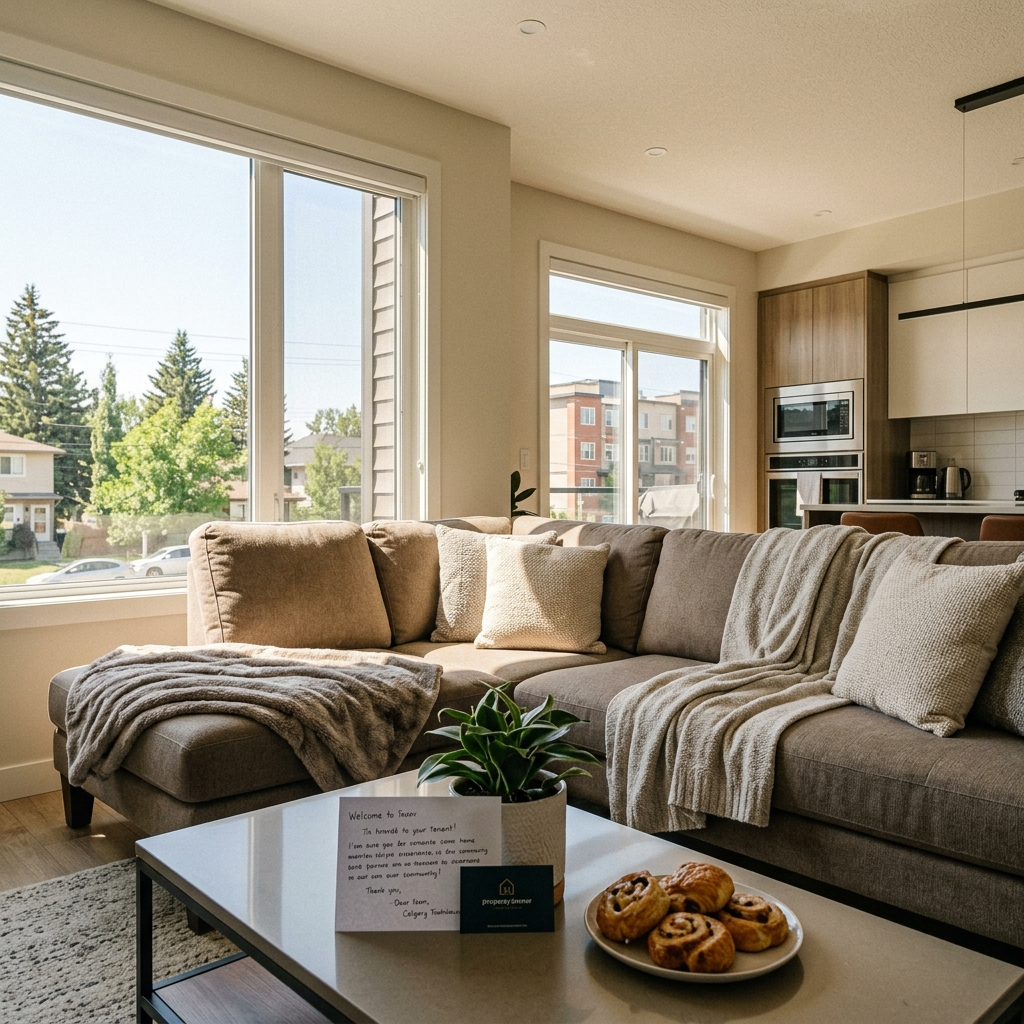
Successful tenant retention starts with understanding what makes renters happy. Research consistently shows that Calgary tenants prioritize responsive maintenance above almost everything else. When something breaks, they want to know you’ll fix it quickly and professionally. A leaky faucet that gets addressed within 24 hours shows respect for their living conditions. A repair request that goes unanswered for weeks tells them you don’t care.
Fair rent pricing matters deeply. Tenants understand that rent increases happen, but they also know when they’re being overcharged compared to similar properties in their neighborhood. Keeping your pricing competitive with the local market shows tenants you value their tenancy and aren’t trying to squeeze every possible dollar from them. Respectful communication builds trust over time. Tenants appreciate landlords who respond to emails and calls promptly, explain decisions clearly, and treat them as partners in maintaining the property rather than adversaries.
Property condition directly affects tenant satisfaction and keeping quality tenants long-term. Clean common areas, functional appliances, adequate heating in Calgary’s cold winters, and well-maintained exteriors make tenants proud to call your property home. Community amenities like parking, storage, or outdoor spaces add convenience that tenants notice daily. When you understand these priorities and deliver on them consistently, you create a rental experience that tenants don’t want to leave.
Proactive Maintenance as a Retention Tool
Creating a Preventive Maintenance Schedule
Proactive maintenance is one of the most effective tenant retention strategies because it prevents small problems from becoming major frustrations. Create a preventive maintenance schedule that includes seasonal tasks like furnace inspections before winter, air conditioning checks before summer, and gutter cleaning in fall. Schedule routine inspections every six months to identify issues before tenants even notice them.
Address minor issues immediately when you spot them during inspections. A loose handrail, a slow drain, or a worn weatherstrip might seem insignificant, but fixing these details shows tenants you’re paying attention to their comfort. Consistent upkeep demonstrates landlord commitment and prevents the accumulation of deferred maintenance that eventually forces tenants to consider moving. Tenants who see you actively caring for the property feel valued and are more likely to renew their lease when the time comes.
Document your maintenance activities and share updates with tenants. A simple email saying “We completed the annual furnace inspection today and everything is working perfectly” reassures tenants that you’re managing the property professionally. This transparency builds confidence that you’ll be there when they need you.
Responding Quickly to Repair Requests
Response time to repair requests directly correlates with tenant satisfaction property management experts track as a key retention metric. Establish clear protocols for how tenants should report maintenance issues, whether through an online portal, phone call, or email. Set expectations for response times: emergency issues like no heat in winter or major leaks should get attention within hours, while non-urgent requests should receive acknowledgment within 24 hours and resolution within a few days.
For Calgary landlords managing multiple properties, having reliable contractor relationships is critical. Build a network of plumbers, electricians, and handymen who respond quickly and work professionally. Consider implementing a 24/7 support system for true emergencies. This doesn’t mean you personally answer calls at 3 AM, but having an emergency line that connects tenants to help when they need it most significantly improves tenant loyalty strategies.
Communicate throughout the repair process. Let tenants know when the contractor will arrive, what work will be done, and how long it should take. Follow up after repairs to confirm everything was completed satisfactorily. These small communication touchpoints transform a basic maintenance request into a positive experience that reinforces why staying in your property is better than moving.
Communication Strategies That Build Long-Term Relationships

Establishing Clear Communication Channels
Effective communication creates the foundation for tenant retention. Establish multiple communication channels so tenants can reach you using their preferred method. An online portal for maintenance requests and rent payments provides convenience for tech-savvy tenants. Phone availability during business hours ensures those who prefer direct conversation can connect with you. Email responsiveness for non-urgent questions and documentation keeps a professional record of interactions.
Regular check-ins throughout the year, not just when problems arise, build rapport. A simple message asking “How is everything going with the property?” shows you care about their experience. These conversations often reveal small concerns before they become reasons to move. Keep interactions professional yet personable. You’re providing a service, but you’re also building a relationship with someone who lives in your property and directly impacts your investment success.
Set clear expectations about communication from the start. Let tenants know your typical response time, preferred contact methods, and how to reach you for emergencies. Consistency in your communication patterns creates predictability that tenants appreciate and rely on.
Being Transparent About Property Changes and Rent Adjustments
Rent increases are often cited as the top reason tenants move, but research shows that how you communicate increases matters as much as the amount. Give proper notice as required by Alberta law, which is 90 days for annual rent increases. Better yet, start the conversation even earlier. Explain market conditions, property improvements you’ve made, and how your pricing compares to similar rentals in the neighborhood.
Be transparent about why you’re adjusting rent. If property taxes increased or you recently upgraded the appliances, share that context. Tenants are more understanding when they see the reasoning behind decisions. Consider the tenant’s history with you. A reliable tenant who has lived in your property for three years and always pays on time deserves consideration. Sometimes maintaining a quality tenant at a slightly lower rent is more profitable than risking turnover to maximize monthly income.
When making property changes that affect tenants, communicate early and clearly. If you’re renovating common areas, scheduling exterior painting, or updating building policies, give tenants advance notice and explain how the changes benefit them. This transparency maintains goodwill and reduces anxiety about the unknown.
Competitive Rent Pricing and Lease Renewal Incentives
Conducting Annual Market Analysis
Understanding the Calgary rental market helps you price competitively without leaving money on the table. Conduct an annual market analysis by researching comparable properties in your neighborhood. Look at listings for similar units in terms of size, age, amenities, and condition. Note the rental rates, time on market, and any incentives being offered.
Consider broader market trends. Is Calgary’s rental market tightening with low vacancy rates, or are landlords competing harder for tenants? How have average rents changed in your specific neighborhood over the past year? This context helps you make informed decisions about whether to increase rent, hold steady, or even offer a small decrease to retain an excellent tenant.
Remember that slightly below-market rent with a reliable long-term tenant often generates better returns than maximum rent with frequent turnover. Calculate the true cost of vacancy and turnover against the additional monthly income from a higher rent. In many cases, you’ll find that keeping quality tenants with modest rent adjustments is the most profitable strategy.
Offering Renewal Incentives That Work
Lease renewal incentives don’t need to be expensive to be effective. Small gestures that improve the tenant’s living experience often work better than cash discounts. Consider offering minor upgrades like new bathroom fixtures, upgraded lighting, or a fresh coat of paint in their choice of neutral color. These improvements cost you a few hundred dollars but add value to the property while making the tenant feel valued.
Flexible lease terms can be powerful incentives. If a tenant wants to shift their lease end date to align better with their schedule, accommodating that request costs you nothing but builds goodwill. Small rent freezes, where you keep rent at the current rate for another year despite market increases, save the tenant money while giving you predictable income without turnover costs.
Property improvements that benefit all tenants, like adding bike storage, upgrading landscaping, or improving common area lighting, serve as lease renewal incentives by making the property more attractive. Amenity additions such as providing recycling services or arranging snow removal for parking areas add convenience that tenants value in their daily lives.
Property Upgrades That Increase Tenant Satisfaction

Strategic property upgrades directly impact tenant retention by enhancing livability and appeal. Modern fixtures like updated faucets, cabinet hardware, and light switches cost relatively little but make a property feel fresh and well-maintained. Energy-efficient appliances reduce tenant utility costs, which they notice every month when paying bills. A new refrigerator or high-efficiency furnace becomes a reason to stay rather than move.
Updated flooring transforms a space. Replacing worn carpet with durable laminate or refinishing hardwood floors removes the tired, dated feeling that makes tenants consider other options. Improved lighting, especially in naturally dark areas like basements or north-facing rooms, makes living spaces more pleasant and functional. Adding dimmer switches or modern light fixtures is inexpensive but impactful.
Smart home features like programmable thermostats, keyless entry, or smart smoke detectors appeal to tech-savvy renters while adding convenience and security. Enhanced curb appeal through landscaping, exterior paint, or updated entrance areas makes tenants proud to bring guests home. Focus your upgrade budget on improvements that provide strong return on investment through extended tenancies. A $2,000 kitchen update that keeps a good tenant for two extra years saves you far more than the cost of turnover.
Creating a Sense of Community and Belonging
Tenants who feel connected to their property and neighborhood are less likely to move. This emotional connection is a powerful but often overlooked component of reducing vacancy rates Calgary landlords should prioritize. Start with a welcome package when new tenants move in. Include information about the property, local services, nearby parks and amenities, favorite restaurants, and emergency contacts. This thoughtful gesture sets a positive tone from day one.
For multi-unit properties, consider organizing occasional community events. A summer barbecue, holiday gathering, or simple coffee morning helps tenants meet their neighbors and builds a sense of community. These events don’t need to be elaborate or expensive. The goal is creating opportunities for connection that make the property feel like more than just a place to sleep.
Provide local area information regularly. Share news about neighborhood improvements, upcoming events, or changes to local services. Recognize tenant milestones like lease anniversaries with a simple card or email acknowledgment. These small touches demonstrate that you see tenants as individuals, not just rent payments. When tenants feel a sense of belonging, moving becomes harder emotionally, which is exactly what effective tenant loyalty strategies accomplish.
Recognizing and Rewarding Quality Tenants
Quality tenants who pay rent on time, maintain the property well, and communicate respectfully deserve recognition. Holiday cards during the winter season show you’re thinking of them beyond the landlord-tenant transaction. Small appreciation gifts for long-term tenants, like a gift card to a local coffee shop or restaurant, cost minimal money but create goodwill.
Priority consideration for upgrades rewards tenant loyalty. If you’re planning improvements and have a long-term tenant, let them choose paint colors or provide input on finishes. This involvement makes them feel valued and invested in the property. Flexible accommodation for personal circumstances builds mutual respect. If a reliable tenant faces a temporary financial hardship or needs a one-time accommodation, working with them strengthens the relationship.
Verbal recognition matters too. Tell quality tenants that you appreciate them. A simple “Thank you for being such a great tenant” during a routine interaction creates positive feelings that influence renewal decisions. These recognition strategies cost little but significantly impact how to keep tenants long-term by making them feel valued beyond their monthly rent payment.
Lease Renewal Process Best Practices
Starting the Conversation Early
Timing matters when approaching lease renewals. Start the conversation 90 to 120 days before the lease expiration date. This timeline gives tenants adequate time to make decisions without feeling rushed while showing them you’re a proactive manager who plans ahead. Early discussion also gives you time to negotiate terms, address any concerns, and market the property if they decide not to renew.
Frame the renewal conversation positively. Instead of making it feel transactional, express your hope that they’ll continue living in the property. Ask if there’s anything that would improve their experience or if they have concerns about renewing. This dialogue often reveals small issues you can address that remove barriers to renewal. Sometimes tenants are considering leaving for minor reasons that you can easily fix if you know about them.
Be prepared to discuss any rent changes during this initial conversation. Surprises late in the process damage trust and reduce the likelihood of renewal. If you’re increasing rent, explain your reasoning and provide market comparisons. If you’re keeping rent the same, present that as a benefit of their continued tenancy.
Making Renewal Easy and Attractive
Reduce friction in the renewal process by making it as simple as possible. Streamline paperwork to only what’s legally necessary. Consider offering online renewal options where tenants can review terms and sign electronically without scheduling a meeting. Clearly outline all terms, including rent amount, lease duration, any changes to policies, and move-in date for the new term.
Provide options when possible. Offer both 12-month and 24-month lease terms, letting tenants choose what works better for their situation. Some tenants prefer longer terms for stability, while others want flexibility. Present renewal terms in writing so tenants can review them carefully before deciding. Include a reasonable deadline for their response, typically two weeks, so you can plan accordingly.
Consider sweetening the deal with a small perk like professional carpet cleaning before the new lease term or a one-time maintenance credit for minor repairs they’ve been considering. These gestures cost little but position renewal as an attractive choice rather than just a continuation of the status quo.
When Professional Property Management Improves Retention

Many Calgary property owners find that professional property management companies significantly improve tenant retention through consistent service delivery and systematic approaches. Experienced property managers provide dedicated resources for tenant communication, ensuring requests never fall through the cracks. They maintain relationships with reliable contractors who respond quickly to maintenance needs, often at better rates than individual landlords can negotiate.
Professional management companies implement proven retention programs based on best practices across hundreds of properties. They conduct regular property inspections, coordinate preventive maintenance, and handle tenant communications with polished professionalism. Legal compliance is another area where professional management adds value. Property managers stay current on Alberta tenancy laws, handle documentation correctly, and reduce your risk of costly legal mistakes.
Comprehensive management removes the burden from landlords while improving tenant experience through dedicated attention. Property managers are available during business hours for tenant questions, have systems for tracking maintenance requests, and can respond to emergencies 24/7. For property owners managing multiple units or those who don’t have time for hands-on management, professional property management often pays for itself through improved tenant retention, reduced vacancy periods, and fewer costly mistakes. Companies like DGM Property Management bring over 15 years of local Calgary experience, serving over 500 property owners with comprehensive solutions that optimize property value while delivering exceptional tenant care.
Measuring Your Tenant Retention Success
Tracking key metrics helps you understand whether your retention strategies are working and where to focus improvement efforts. Average tenancy length is a fundamental metric. Calculate how long tenants stay in your properties on average. If the typical tenancy is 18 months, your goal should be extending that to 24 months or longer. Renewal rate percentage tells you what portion of tenants choose to renew their leases when given the opportunity. A healthy renewal rate in Calgary is 60 to 70 percent or higher.
Turnover costs should decrease as your retention improves. Track the total cost of each turnover, including advertising, cleaning, repairs, vacancy loss, and administrative time. As you implement better retention strategies, these numbers should trend downward. Tenant satisfaction scores, gathered through brief surveys or check-in conversations, provide qualitative data about tenant happiness. Ask simple questions about maintenance responsiveness, property condition, and overall satisfaction.
Maintenance response times directly correlate with tenant retention. Track how quickly you acknowledge and resolve maintenance requests. Set targets like acknowledging all requests within 24 hours and resolving non-emergency issues within five days. Collect tenant feedback systematically rather than waiting for complaints. An annual survey or mid-lease check-in conversation gives you information to refine your approach continuously. Use this data to identify patterns, celebrate improvements, and focus your energy on the retention strategies that deliver the best results for your Calgary rental properties.
Frequently Asked Questions
What is a good tenant retention rate for rental properties in Calgary?
A good tenant retention rate in Calgary falls between 60 and 70 percent, meaning that six to seven out of every ten tenants choose to renew their lease when it expires. Properties with exceptional management and tenant care can achieve retention rates of 75 to 80 percent or higher. Retention rates below 50 percent suggest problems with the property, management approach, or market positioning that need attention.
How much money can landlords save by keeping tenants longer?
Landlords typically save $1,500 to $3,000 per turnover by keeping tenants longer. This includes direct costs like advertising, cleaning, repairs, and screening, plus indirect costs like vacancy loss and administrative time. A tenant who stays three years instead of one year saves you two complete turnover cycles, potentially adding $3,000 to $6,000 to your bottom line per property. Over a portfolio of multiple properties, these savings compound significantly.
When should I start the lease renewal conversation with my tenant?
Start the lease renewal conversation 90 to 120 days before the current lease expires. This timeline provides tenants with adequate time to make informed decisions without pressure while giving you sufficient notice to market the property if they choose not to renew. Alberta law requires 90 days notice for rent increases, so starting the conversation at least three months early ensures legal compliance and demonstrates professional management.
What are the most effective tenant retention incentives?
The most effective tenant retention incentives are responsive maintenance, fair rent pricing, and small property improvements. Minor upgrades like new fixtures or fresh paint cost a few hundred dollars but make tenants feel valued. Keeping rent increases modest or offering a rent freeze for another year provides direct financial benefit. Flexible lease terms, priority consideration for improvements, and simple recognition gestures like holiday cards also work well. The key is demonstrating that you value the tenancy and want them to stay.
How can property management companies help improve tenant retention?
Property management companies improve tenant retention through consistent service delivery, systematic maintenance programs, professional communication, and dedicated resources. They respond quickly to tenant requests, coordinate preventive maintenance, handle legal compliance correctly, and implement proven retention strategies. Professional managers also remove emotional friction from landlord-tenant interactions and provide 24/7 emergency support. For many property owners, professional management pays for itself through improved retention rates and reduced turnover costs.
Should I offer a rent discount to encourage lease renewal?
Rent discounts can encourage renewal, but they’re not always necessary or advisable. Instead of reducing rent below market value, consider keeping rent at the current rate rather than increasing it. This effectively gives the tenant a discount compared to market rates while maintaining your income. If you have an exceptional tenant with a long history of reliable payments and property care, a small rent concession of $25 to $50 per month may be worthwhile to avoid turnover costs. Evaluate each situation individually based on the tenant’s value and market conditions.
What maintenance issues cause tenants to leave most often?
Heating problems in Calgary’s cold winters are the top maintenance issue that drives tenants to leave. Persistent leaks, inadequate hot water, and unresolved pest problems also frequently cause move-outs. It’s not always the severity of the issue but rather the response time and quality of repairs that determines whether tenants stay. A minor problem that gets ignored or repeatedly returns creates frustration that eventually leads to vacancy. Quick, thorough responses to maintenance requests prevent most issues from becoming reasons to leave.