

What seasonal maintenance tasks do Calgary landlords need to prioritize to protect their rental properties year-round? The answer depends heavily on the season, but the underlying goal is always the same: stay ahead of the problem before it becomes expensive. Calgary’s climate is genuinely demanding. Between deep freezes in January, freeze-thaw cycles in early spring, and the unpredictable warm spells brought on by Chinook winds, rental properties here face stress that landlords in milder cities simply don’t deal with. This Calgary rental property maintenance checklist walks through every season so you always know what needs attention and when.
Why Seasonal Maintenance Matters for Calgary Rental Properties
Calgary’s weather doesn’t give landlords much room for error. The city regularly sees temperature swings of 20 to 30 degrees Celsius within a single week, and that kind of thermal stress takes a real toll on building materials, plumbing systems, and roofing structures. Freeze-thaw cycles are particularly damaging because water expands as it freezes inside small cracks, turning minor surface issues into serious structural problems over time.
Regular seasonal upkeep directly protects the value of your investment. A rental property that receives consistent attention holds its condition longer, attracts better tenants, and avoids the kind of emergency repairs that can cost thousands of dollars with little warning. Industry data consistently shows that proactive maintenance can reduce overall repair costs by up to 25% compared to a reactive approach where problems are only addressed after they become visible and serious.
Beyond cost savings, maintenance also affects tenant satisfaction. Tenants who feel their concerns are addressed quickly and their living space is well-kept are far more likely to renew their lease. High turnover is one of the most costly outcomes for any Calgary landlord, and a solid seasonal property maintenance routine is one of the simplest ways to avoid it.
Spring Property Maintenance Tasks for Calgary Landlords
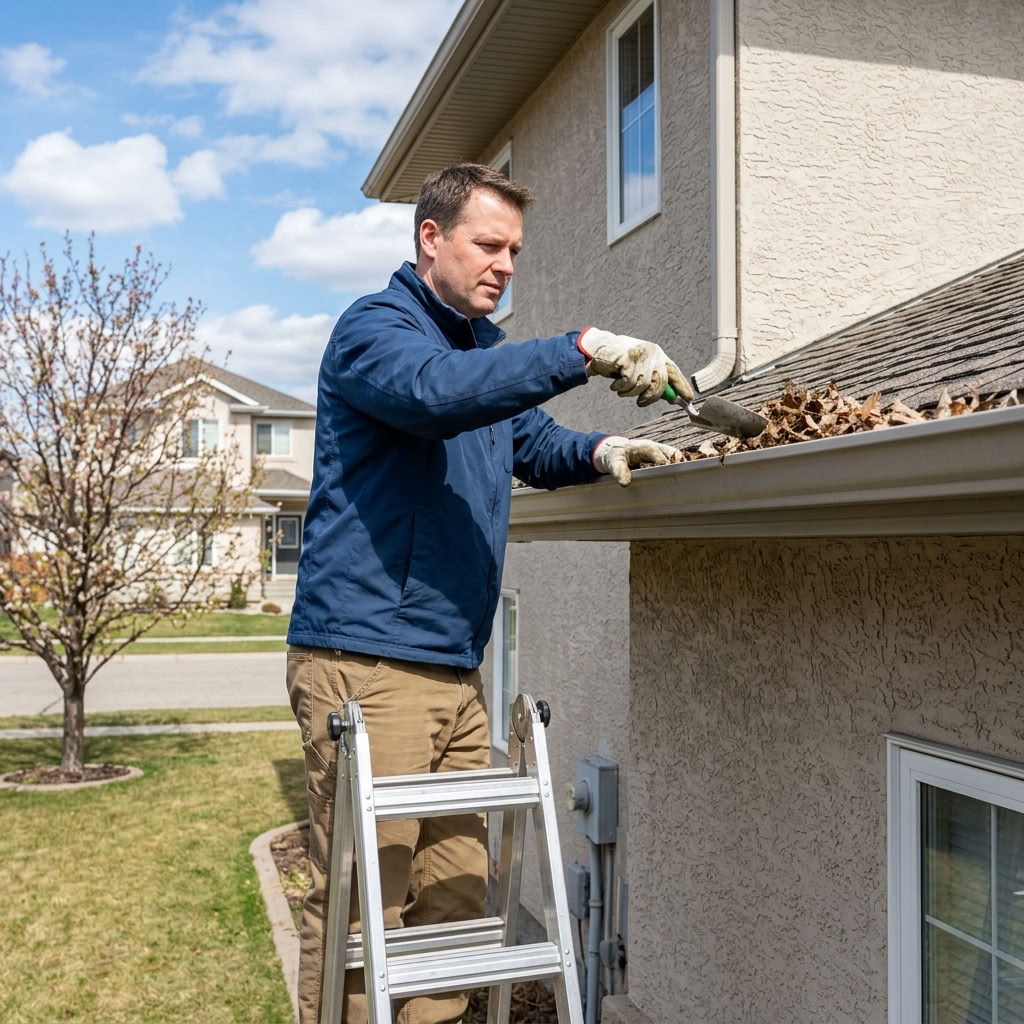
Spring in Calgary is the season for damage assessment. After months of snow, ice, and cold, your property has been under sustained stress and the thaw reveals what winter left behind.
Exterior Inspection After Winter
The first thing to do when temperatures stabilize is walk the full perimeter of your property. Look carefully at the foundation for new cracks or widening gaps that weren’t there last fall. Frost heaving, which occurs when water in the soil freezes and expands, can shift walkways, driveways, and even foundation footings over a single winter season. Catching these issues early prevents much larger structural repairs down the line.
Gutters and downspouts are another priority. Over winter, debris accumulates and gutters can pull away from the fascia under the weight of ice. Clear any blockages and confirm that water is draining away from the building’s foundation. Pooling water near the base of a Calgary rental property is one of the fastest ways to invite moisture damage and mold growth. While you’re at it, check the roof for missing or lifted shingles and inspect the siding for cracks, warping, or sections that came loose during heavy snowfall.
HVAC and Plumbing Readiness
Spring is the right time to schedule a professional HVAC inspection before the summer cooling season begins. Air conditioning systems that sit unused through winter often need cleaning, refrigerant checks, and filter replacements before they run efficiently again. Catching these issues in April rather than July means your tenants aren’t left without cooling during the first heat wave.
Water heaters should be flushed in spring to clear sediment that builds up during heavy use in winter. Sediment accumulation reduces the heater’s efficiency and can shorten its lifespan significantly. Sump pumps also need attention before spring rainfall and snowmelt arrive in full force. Test the pump by pouring water into the pit and confirming the float activates correctly. A failed sump pump during a heavy spring thaw can lead to basement flooding that causes thousands of dollars in damage.
Summer Property Maintenance Tasks for Calgary Landlords
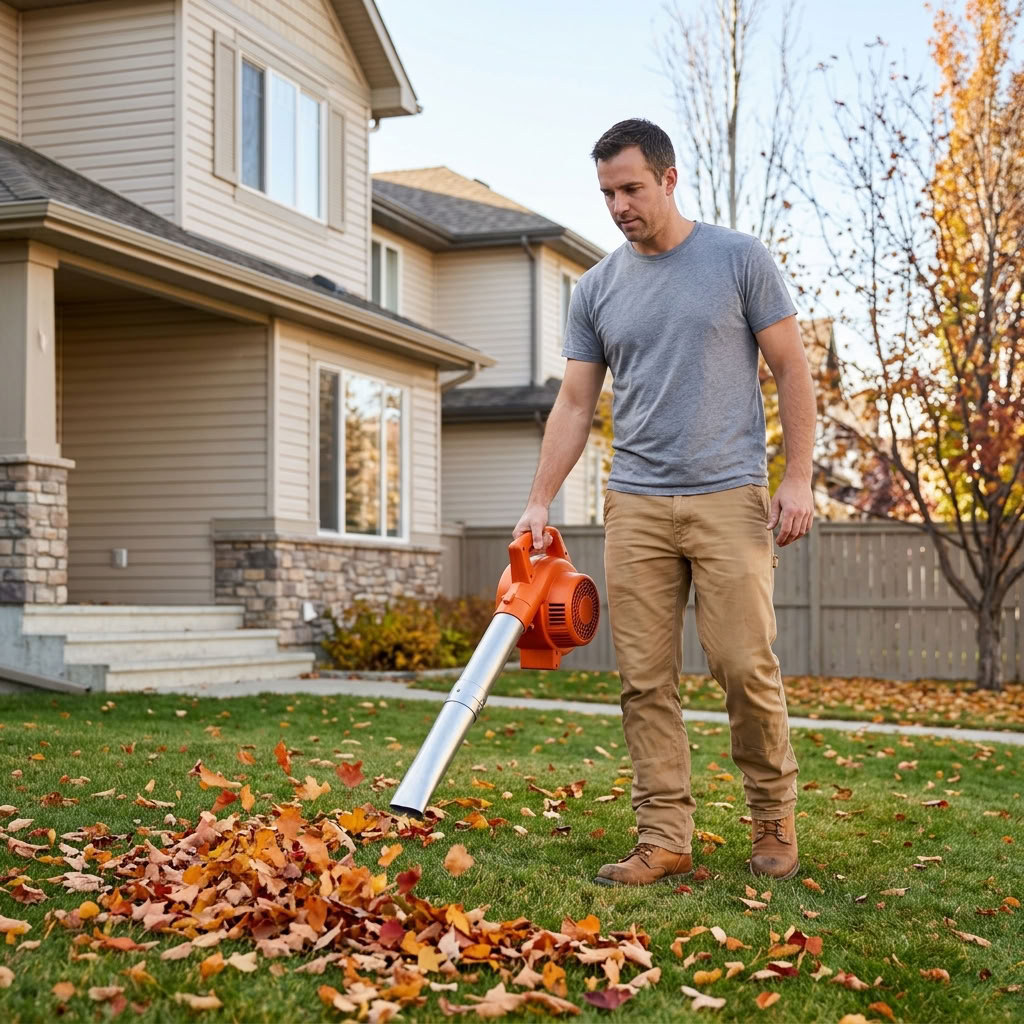
Summer gives Calgary landlords the best working conditions of the year. Dry weather and long days make it the ideal time to complete exterior work, address landscaping concerns, and run through interior safety checks before the fall rush begins.
Landscaping and Outdoor Upkeep
Tree and shrub maintenance is more than a cosmetic concern. Branches that hang over or press against the building can cause physical damage to siding, roofing, and gutters, and they also create easy pathways for pests to enter the structure. Trim all vegetation back from the building envelope and remove any dead branches that could fall during summer storms.
If your property has an irrigation system, inspect it for leaks, misaligned heads, or broken lines before programming it for regular use. A leaking irrigation system running daily can significantly increase your water bills and contribute to moisture problems around the foundation. Outdoor faucets and hose bibs should also be checked for wear after being shut off through winter. Common outdoor areas like patios, parking pads, and shared walkways should be swept clean and inspected for trip hazards or surface deterioration.
Preventive Interior Checks
Summer is a natural time to walk through the interior of each unit and complete basic safety checks. Test every smoke detector and carbon monoxide detector, replace batteries even if they appear functional, and document the inspection. In Alberta, landlords are legally obligated to ensure smoke and CO detectors are present and working, and keeping records of these checks protects you if a dispute ever arises.
Window seals and weatherstripping deserve attention in summer as well. Failed seals allow conditioned air to escape, which raises energy costs for heating in winter and cooling in summer. Replacing worn weatherstripping now is inexpensive and prevents larger drafting issues come fall. Take the time to look for early signs of pest activity, including droppings, nesting material, or small entry points at the base of walls and around plumbing penetrations. Addressing a minor pest issue in summer is far simpler and cheaper than managing an infestation in winter when pests move deeper into the structure for warmth.
Fall Property Maintenance Tasks for Calgary Landlords
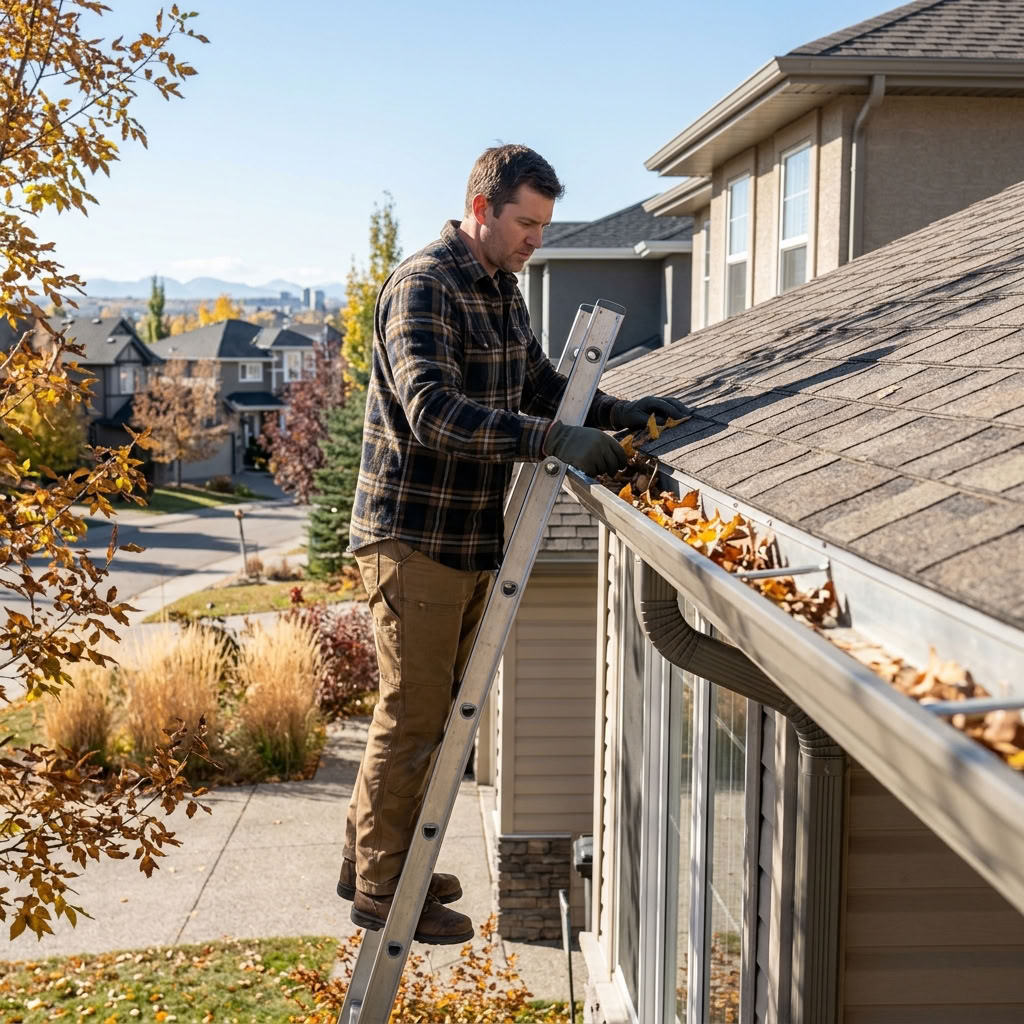
Fall is arguably the most critical season for preventive maintenance Calgary rental property owners can do. What you complete between September and November directly determines how well your property handles the months ahead.
Winterization Essentials
Exterior water lines, including garden hose bibs and irrigation systems, must be drained and shut off before the first hard freeze. In Calgary, that freeze can arrive in October, sometimes without much warning. Water left sitting in exterior pipes will freeze, expand, and crack the pipe, leading to flooding when temperatures rise again. This is one of the most preventable and most common sources of water damage in Calgary rental properties.
Furnace servicing should be booked in September or early October before every HVAC technician in the city is fully booked. Replace the filter, have the heat exchanger inspected, and confirm that the thermostat is calibrated properly. A furnace that fails in January during a cold snap creates an emergency situation for both you and your tenant, and emergency HVAC calls cost significantly more than scheduled servicing. Attic insulation and ventilation are also worth inspecting in fall. Poorly insulated attics allow heat to escape through the roof deck, which can create ice dams along the eaves and lead to water infiltration when the ice melts.
Safety and Compliance Checks
Before winter arrives, confirm that all fire safety equipment meets the requirements set out under Alberta’s rental property regulations. This includes testing fire extinguishers, verifying that smoke and CO detectors are properly placed, and ensuring that exit routes are clear and accessible. Calgary landlords who own multi-unit properties have additional compliance requirements that should be reviewed annually with a professional familiar with Alberta tenancy law.
Outdoor safety requires attention in fall as well. Walk every stairway, handrail, and shared walkway on the property and make note of any loose components, cracked concrete, or uneven surfaces. Ice will cover these areas within weeks, and a hazard that’s easy to spot in fall becomes nearly invisible under snow. Review your emergency maintenance contact list and confirm that 24/7 support is available for tenants who experience heating failures, water leaks, or other urgent issues during the winter months.
Winter Property Maintenance Tasks for Calgary Landlords
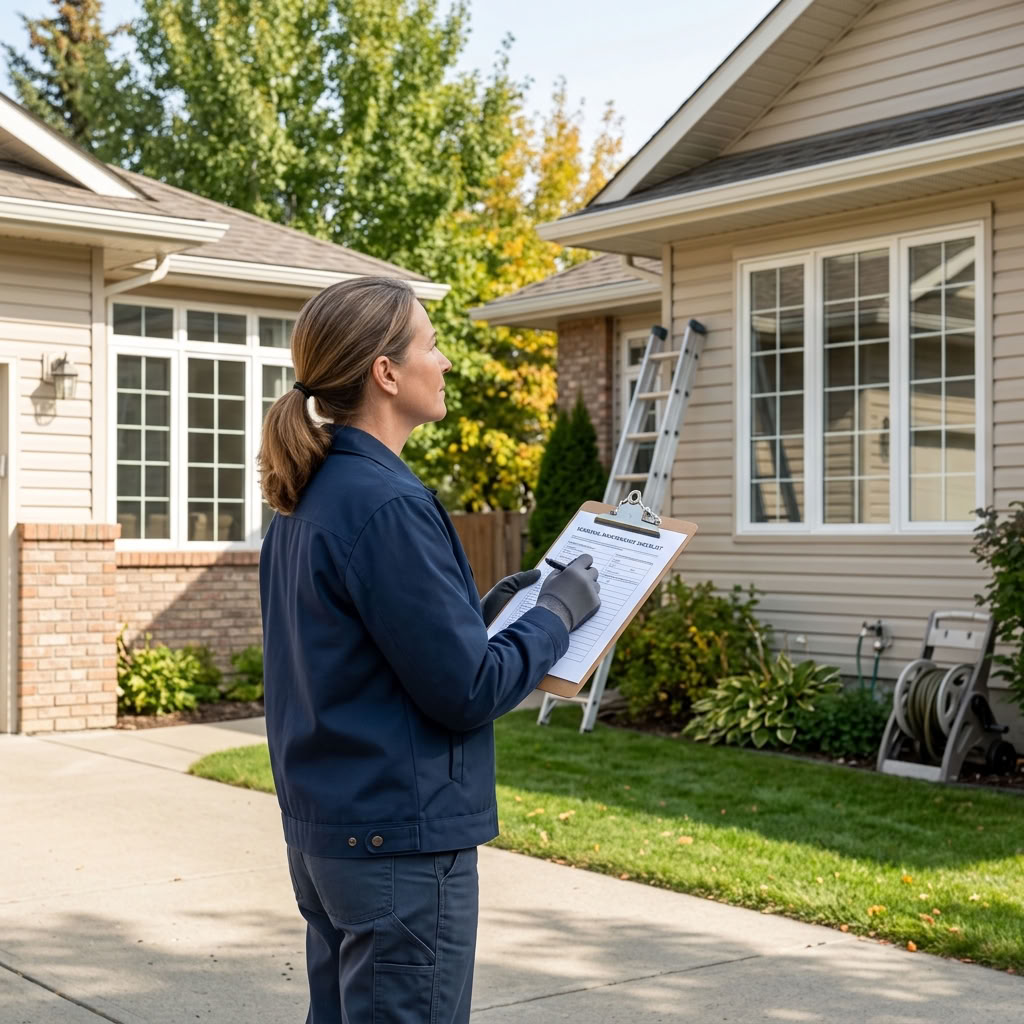
Winter in Calgary is not the time to be reactive. The city regularly sees temperatures below -20°C and can receive significant snowfall within a matter of hours. Having systems and service contracts already in place before winter arrives is what separates well-managed properties from ones that produce constant problems.
Snow and Ice Management
A snow removal plan should be in place before the first snowfall, not after. Whether you hire a contractor or arrange a schedule for on-site management, the key is consistency. Driveways, walkways, and shared parking areas need to be cleared promptly after each snowfall to remain accessible and safe. In Calgary, landlords can face liability for slip-and-fall injuries that occur on their property when snow and ice are not reasonably managed.
Ice-melt products applied to high-traffic areas after clearing reduce the risk of ice formation and are especially important around building entrances and stairways. Be cautious about which products you use near vegetation and concrete, as some formulations cause long-term surface damage. Flat roofs in particular need monitoring through winter. Snow load accumulation can exceed safe structural limits during heavy snowfall periods, and ice dams along the edge of any roof can force water back under the roofing material and into the building envelope.
Heating and Interior Monitoring
Every unit in your Calgary rental property should have a functioning heating system capable of maintaining a minimum indoor temperature, as required under Alberta’s Residential Tenancies Act. Confirm that all heating units are running properly at the start of the season and establish clear communication with your tenants about how to report any heating concerns. During extreme cold snaps, which Calgary sees several times each winter, a heating failure can become a health and safety issue very quickly.
Pipes in unheated or poorly insulated spaces, including garages, crawl spaces, and utility rooms adjacent to exterior walls, are at real risk of freezing when temperatures drop. Inspect these areas in late fall and add pipe insulation where needed. If a pipe does freeze, responding quickly can sometimes prevent a burst. Encourage tenants to keep cabinet doors open under sinks on exterior walls during extreme cold and to report any drop in water pressure, which can be an early sign that a pipe is freezing.
How a Property Management Company Helps with Seasonal Maintenance in Calgary
Managing a Calgary rental property through four demanding seasons is a significant time commitment, and many landlords underestimate how much coordination is involved. Scheduling inspections, vetting contractors, following up on work orders, and responding to tenant concerns after hours adds up quickly, particularly if you own multiple units or manage your property from outside the city.
A professional property management company handles the full cycle of seasonal maintenance on your behalf. That means scheduling spring inspections, coordinating fall furnace servicing, arranging snow removal contracts, and ensuring that emergency repairs are handled around the clock without requiring your direct involvement. DGM Property Management has been serving Calgary property owners for over 15 years, and the team works with a vetted network of local contractors to ensure quality work at competitive rates. With a client base of over 500 Calgary property owners, DGM has the relationships and local knowledge to manage seasonal maintenance efficiently and cost-effectively.
Delegating seasonal maintenance to an experienced team reduces the stress of ownership and protects your investment from the kind of deferred maintenance that quietly erodes property value over time. It also means your tenants always have someone to contact, which improves retention and reduces the friction that comes with self-management.
What Calgary Landlords Should Include in a Seasonal Maintenance Budget
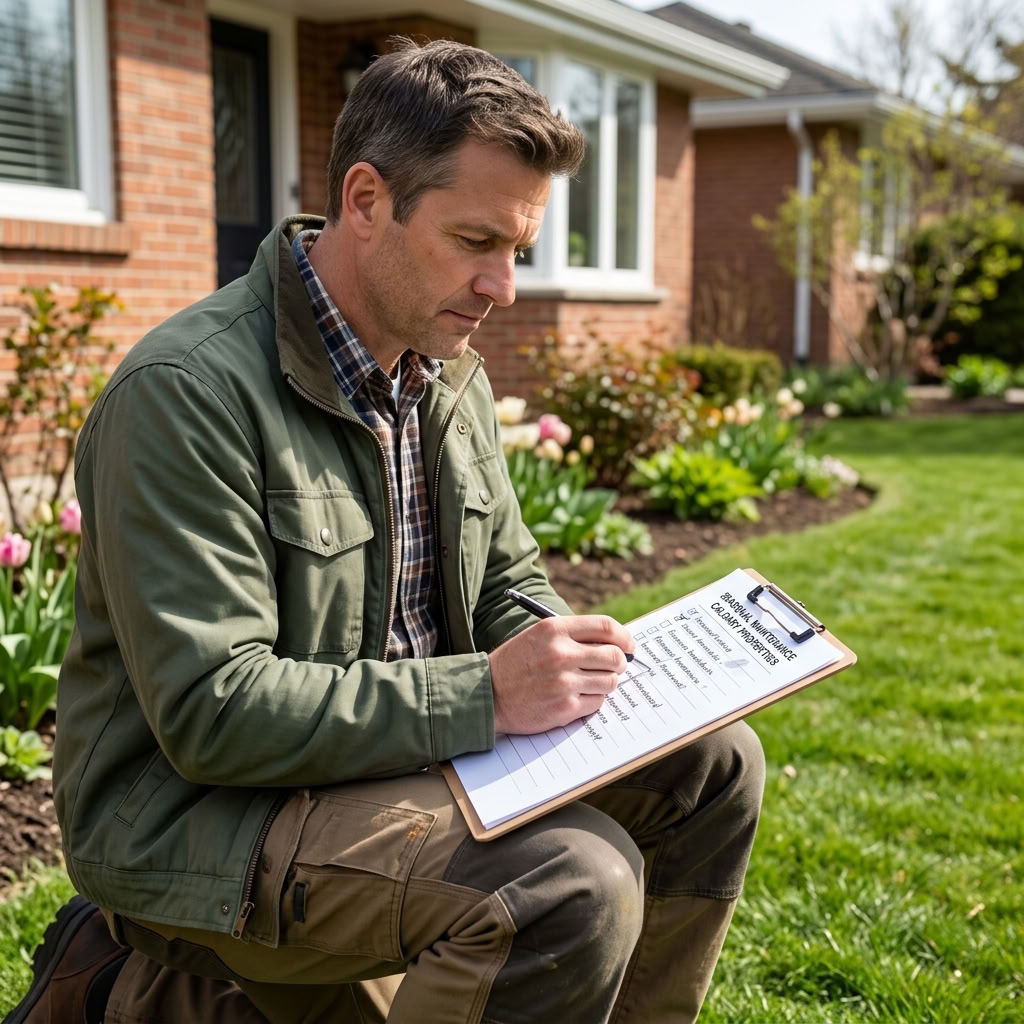
One of the most practical things any landlord can do is set a realistic maintenance budget before problems arise. The widely recommended benchmark in the property management industry is to set aside 1% to 2% of the property’s assessed value annually for maintenance and upkeep. For a Calgary rental property valued at $500,000, that means budgeting between $5,000 and $10,000 each year for ongoing maintenance costs.
Within that budget, certain seasonal expenses are predictable and should be planned for in advance. HVAC servicing typically runs between $150 and $300 per unit depending on system type and the scope of the inspection. A snow removal contract for a single-family rental can range from $400 to $1,200 for the season depending on the size of the lot and the level of service. Exterior repairs following winter, including gutter cleaning, minor roof patching, and walkway repairs, commonly add another few hundred dollars per year for well-maintained properties.
Proper budgeting also means you’re not caught off guard by larger capital expenses. Water heaters, furnaces, and roofing systems all have defined lifespans, and tracking their age and condition allows you to plan replacements before they become emergencies. Landlords who maintain a seasonal maintenance fund consistently report lower stress, better tenant relationships, and stronger long-term financial performance from their properties.
Frequently Asked Questions
What seasonal maintenance tasks are most critical for Calgary rental properties?
The highest-priority tasks are furnace servicing before winter, exterior pipe winterization in fall, spring inspection of the foundation and roof after freeze-thaw damage, and snow and ice management throughout winter. These are the areas most likely to cause expensive damage or create tenant safety issues if neglected.
How often should Calgary landlords schedule professional property inspections?
Most property management professionals recommend a formal inspection at least twice per year, typically in spring and fall. These align with the most important transition periods in Calgary’s climate. Additional walk-through inspections can be done in summer and winter to catch developing issues before they escalate.
Who is responsible for seasonal maintenance in a Calgary rental property, the landlord or the tenant?
Under Alberta’s Residential Tenancies Act, landlords are responsible for maintaining the property in a habitable condition and ensuring that major systems like heating, plumbing, and structural elements are functioning properly. Tenants may be responsible for minor upkeep tasks outlined in the lease, such as keeping their unit clean or managing snow removal on a single-family rental, but the core seasonal maintenance responsibilities fall to the landlord.
How can I find reliable maintenance vendors for my Calgary rental property?
Working with a property management company is the most reliable way to access vetted contractors. Companies like DGM Property Management maintain established relationships with trusted tradespeople across Calgary and can often secure priority scheduling and better pricing than individual landlords can arrange independently.
What happens if seasonal maintenance is neglected on a Calgary rental property?
Neglected maintenance compounds quickly. A missed furnace service can lead to a mid-winter failure. Uncleared snow can result in a slip-and-fall liability claim. Deferred exterior repairs allow water infiltration that leads to mold growth. Beyond the physical damage, neglected maintenance can result in tenant complaints, lease terminations, or violations under Alberta’s rental property regulations.
Does hiring a property management company in Calgary include seasonal maintenance services?
Yes, seasonal maintenance coordination is a core part of full-service property management. DGM Property Management handles inspection scheduling, vendor coordination, and emergency response across all four seasons, giving landlords complete coverage without requiring day-to-day involvement.
How do I prepare my Calgary rental property for winter?
Start in September by booking furnace servicing, then move through the fall checklist: drain exterior water lines, inspect attic insulation, test all safety equipment, arrange a snow removal contract, and review emergency contacts. Properties that complete these steps before November are significantly better positioned to handle Calgary’s winter without costly surprises.