



Managing rental properties in Calgary can be profitable, but even small mistakes can cost thousands. Many landlords learn expensive lessons the hard way when tenant screening shortcuts lead to evictions, maintenance neglect triggers emergency repairs, or legal missteps result in penalties. Understanding these common property management mistakes Calgary landlords make helps protect your investment and maximize returns. This guide walks through the most frequent errors and provides practical strategies to avoid them, whether you’re managing one property or building a rental portfolio.
Why Property Management Errors Cost Calgary Landlords Thousands?
Property management mistakes drain landlord profits faster than most realize. A single bad tenant can cost $5,000 to $15,000 in lost rent, legal fees, and property damage. Deferred maintenance often turns a $200 repair into a $3,000 emergency. Calgary’s rental market challenges amplify these costs, with vacancy rates and seasonal demands adding pressure.
Financial impacts extend beyond immediate expenses. Poor tenant screening leads to higher turnover, costing landlords 1-2 months of rent per vacancy cycle. Non-compliance with Alberta regulations can trigger fines ranging from $500 to $5,000. These preventable errors compound over time, significantly reducing your return on investment and limiting cash flow for other opportunities.
Landlords who implement proper systems recover these losses quickly. Effective screening reduces turnover by 40%, while proactive maintenance cuts emergency repair costs by 60%. Understanding where mistakes happen most often is the first step toward protecting your rental income and building long-term wealth through real estate.
Inadequate Tenant Screening and Selection
Tenant selection determines your success as a landlord more than any other factor. Rushing this process or skipping critical steps creates problems that persist throughout the entire tenancy. Many Calgary landlords lose thousands because they prioritized filling vacancies quickly over finding quality tenants who pay on time and care for the property.
Rushing the Tenant Approval Process
Pressure to fill vacant units pushes many landlords to cut corners during screening. They skip detailed credit checks, accept incomplete applications, or approve tenants based on first impressions. This rush creates vulnerability to professional problem tenants who know how to exploit lenient screening processes.
Insufficient background checks miss eviction histories, criminal records, and patterns of lease violations. A basic credit score check doesn’t reveal payment patterns or outstanding debts to previous landlords. Many landlords overlook inconsistencies in applications, such as gaps in rental history or vague employment details that signal potential issues.
Red flags in rental applications often go unnoticed when landlords focus solely on income requirements. Warning signs include multiple recent address changes, reluctance to provide references, or pressure to move in immediately. Taking time to properly evaluate each applicant saves you from costly evictions and property damage down the road.
Failing to Verify Employment and References
Accepting stated income without verification is one of the most dangerous shortcuts landlords take. Fake pay stubs are easy to create, and verbal confirmation from applicants means nothing without documentation. Contact employers directly using phone numbers you find independently, not those provided by the applicant.
Reference checks require more than a quick phone call to a friend posing as a previous landlord. Ask specific questions about payment history, property condition, and lease compliance. Cross-reference provided addresses with public records to confirm the reference actually owns or manages the claimed property.
Alberta law allows landlords to conduct thorough screening while respecting privacy rights. You can verify employment, check credit reports with consent, and contact previous landlords. However, you cannot discriminate based on protected grounds or ask inappropriate questions about family status, ethnicity, or religion during the screening process.
Poor Lease Agreement Management
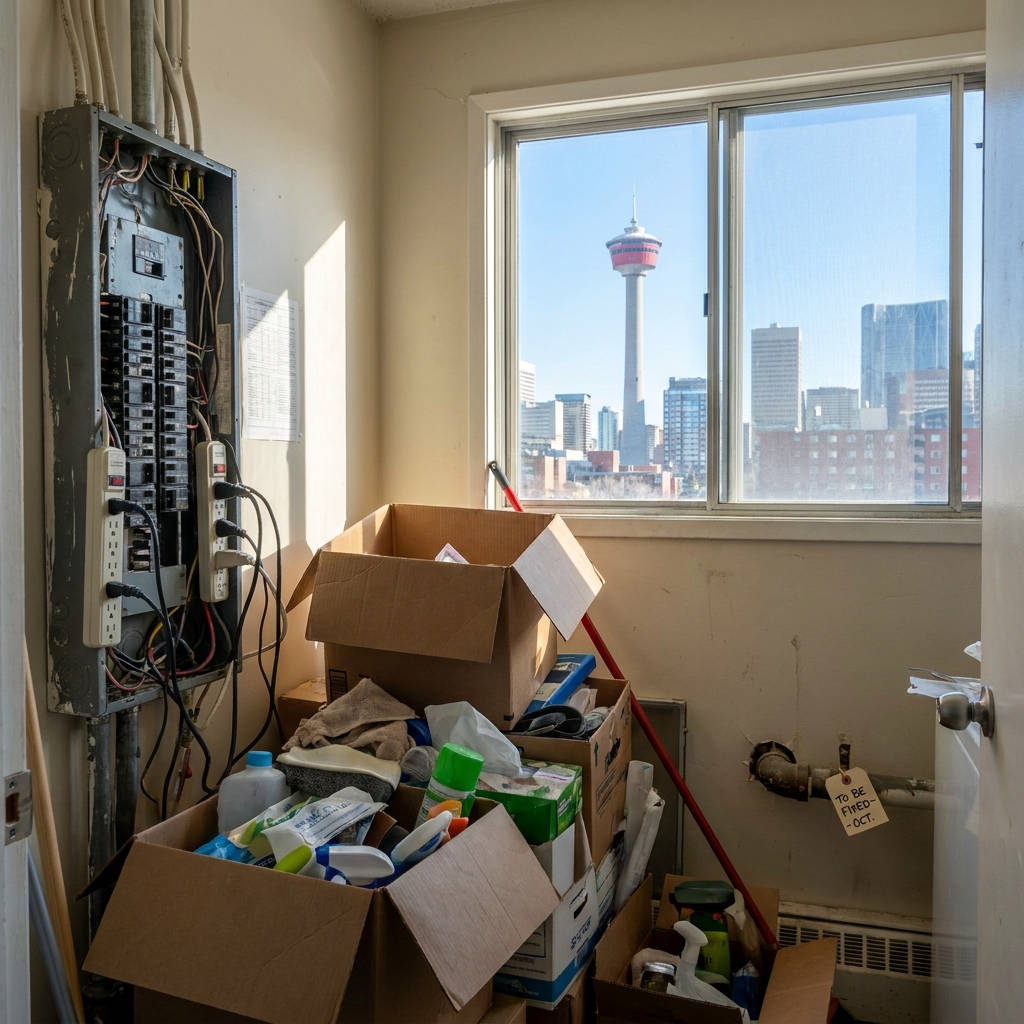
Your lease agreement is your primary legal protection as a landlord. Weak or outdated agreements leave you vulnerable to disputes, non-payment, and costly legal battles. Many Calgary landlords rely on generic templates that don’t address Alberta-specific regulations or fail to clearly define expectations for both parties.
Using Generic or Outdated Lease Templates
Downloading free lease templates from generic websites creates serious compliance risks. Alberta’s Residential Tenancies Act includes specific requirements that differ from other provinces. Leases lacking proper legal language can be deemed invalid, leaving landlords without recourse when problems arise.
Every lease in Alberta must include mandatory clauses about rent amounts, payment dates, security deposits, and termination conditions. Provincial regulations change periodically, so agreements from even a few years ago may lack current legal protections. Using outdated templates can result in unenforceable terms that courts won’t uphold during disputes.
Professionally drafted leases tailored to Calgary properties include city-specific considerations like parking regulations, snow removal responsibilities, and utility billing practices. These documents cost a few hundred dollars upfront but save thousands in prevented disputes and legal fees. Never assume that because a template worked once, it remains legally sound.
Not Clearly Defining Terms and Responsibilities
Ambiguous lease language creates disputes over maintenance, utilities, and property use. When agreements don’t specify who handles lawn care, snow removal, or minor repairs, tenants and landlords develop different expectations. These misunderstandings damage relationships and often end up in costly mediation or legal proceedings.
Maintenance responsibility allocation should be crystal clear. Define what constitutes normal wear versus tenant-caused damage. Specify response times for different types of repairs. Outline who pays for what utilities and how shared costs get divided in multi-unit properties.
Pet policies, parking arrangements, and guest rules need explicit detail. State whether pets are allowed, what types, how many, and what additional deposits apply. Assign specific parking spaces and explain consequences for unauthorized vehicles. Vague terms like “reasonable use” or “normal visitors” invite interpretation conflicts that escalate unnecessarily.
Neglecting Regular Property Maintenance
Maintenance neglect is where small problems become expensive emergencies. Many Calgary landlords adopt a wait-and-see approach, only addressing issues when tenants complain or systems fail completely. This reactive strategy costs significantly more than preventive care and accelerates property deterioration.
Reactive vs. Proactive Maintenance Approaches
Reactive maintenance means responding only when things break. A furnace that receives no annual service fails during the coldest week of winter, requiring emergency repair at triple the normal cost. Neglected gutters cause water damage that demands extensive restoration work costing thousands.
Proactive maintenance involves scheduled inspections, seasonal preparations, and regular servicing. Changing furnace filters quarterly, inspecting roofs annually, and servicing HVAC systems prevent most emergency repairs. This approach costs 40-60% less than reactive repairs while extending equipment lifespan significantly.
A seasonal maintenance checklist for Calgary properties should include spring roof inspections, summer exterior painting, fall heating system servicing, and winter weatherization checks. Regular property walkthroughs identify small issues like leaky faucets or worn weatherstripping before they cause major damage. Schedule these tasks annually and budget accordingly.
Ignoring Calgary’s Climate-Specific Requirements
Calgary’s harsh winters demand specific maintenance attention that landlords from milder climates often underestimate. Furnaces work harder here, requiring professional servicing every fall. Inadequate heating leads to pipe freezes, tenant complaints, and potential liability for health issues related to cold temperatures.
Pipe freeze prevention requires insulation of exposed plumbing, heat tape on vulnerable lines, and maintaining minimum temperatures when properties sit vacant. Even a brief heating failure can burst pipes, causing tens of thousands in water damage. Ensure tenants know how to prevent freezing and provide clear instructions for extreme cold periods.
Roof and gutter maintenance becomes critical with Calgary’s freeze-thaw cycles and heavy snow loads. Ice dams form when gutters clog, forcing water under shingles and into walls. Inspect gutters twice yearly, clean thoroughly before winter, and check for ice accumulation during cold snaps. Regular attention prevents costly water damage and structural issues.
Mismanaging Financial Records and Reporting
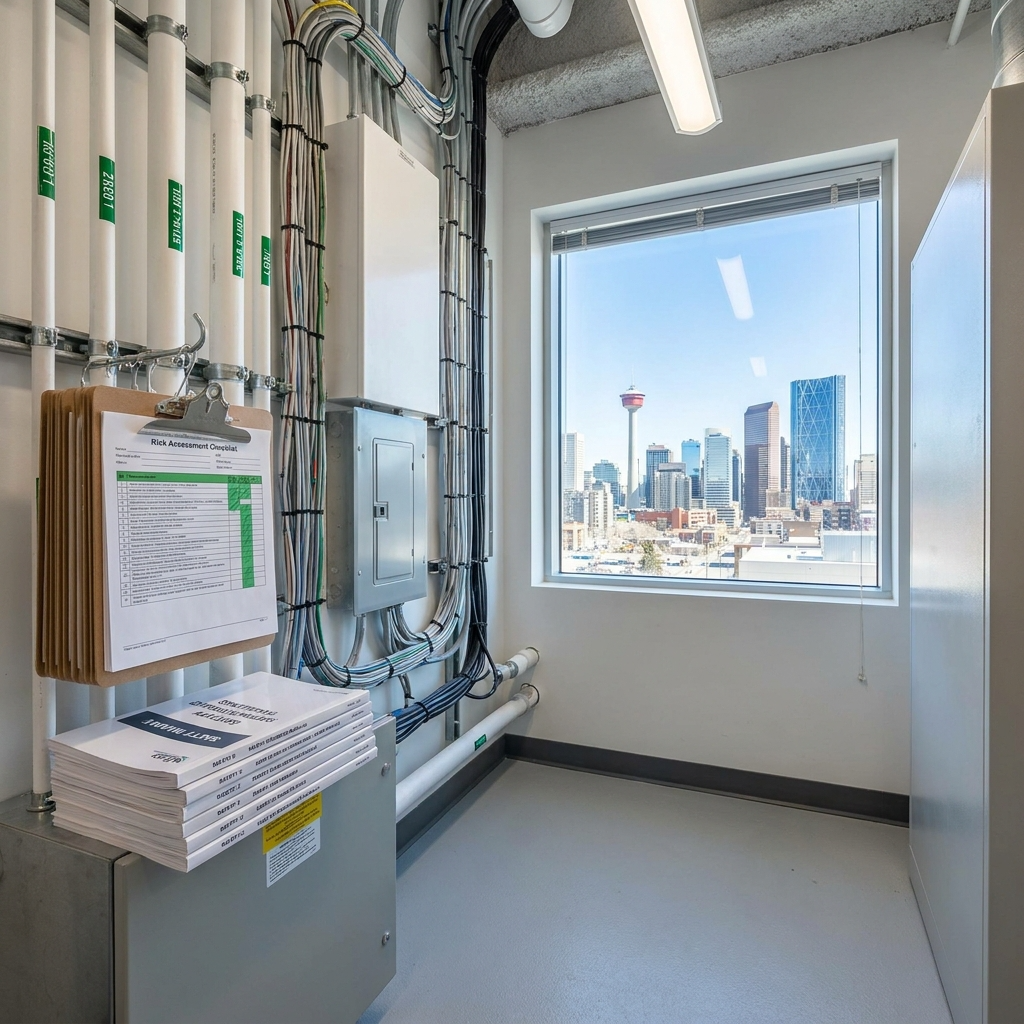
Poor financial management costs landlords money in missed tax deductions, cash flow problems, and inability to make informed decisions. Many Calgary property owners mix personal and rental finances, lose receipts, or fail to track expenses properly. These mistakes add up to thousands in lost tax benefits and increase audit risks.
Inadequate Expense Tracking and Documentation
Landlords who don’t track expenses meticulously miss significant tax deductions. Repair costs, property management fees, insurance premiums, mortgage interest, and travel to inspect properties all qualify as deductible expenses. Without proper documentation, you cannot claim these deductions if audited by the Canada Revenue Agency.
Properly categorizing maintenance versus capital improvements affects your tax treatment. Repairs that maintain existing condition are fully deductible in the year incurred. Capital improvements that add value or extend property life must be depreciated over time. Misclassification can trigger audits or result in paying more tax than necessary.
Digital tools simplify financial management significantly. Accounting software designed for landlords automatically categorizes transactions, generates reports, and organizes receipts digitally. These systems cost $10-30 monthly but save hours during tax season and provide clear profit-loss visibility throughout the year.
Failing to Set Aside Reserve Funds
Many landlords spend every dollar of rental income without maintaining emergency reserves. When the furnace fails or a roof needs replacement, they scramble for financing or defer critical repairs. This approach creates stress and can force property sales at unfavorable times.
Financial experts recommend maintaining reserves equal to 3-6 months of operating expenses for each rental property. This cushion covers unexpected repairs, vacancy periods, and legal costs if disputes arise. A Calgary rental generating $2,000 monthly should have $6,000-12,000 in readily accessible reserves.
Emergency repair scenarios happen without warning. Water heaters last 10-15 years and cost $1,500-2,500 to replace. Roofs need replacement every 20-25 years at $8,000-15,000. Major appliances fail unexpectedly. Budget monthly contributions to reserves so these predictable expenses don’t become financial emergencies.
Improper Rent Pricing Strategies
Setting rent incorrectly leaves money on the table or creates extended vacancies. Many Calgary landlords rely on gut feeling, past rent amounts, or what they need to cover their mortgage. None of these approaches reflect actual market conditions or maximize your investment returns.
Setting Rent Based on Emotions Rather Than Market Data
Emotional pricing happens when landlords calculate rent based on their costs rather than market value. Your mortgage, taxes, and expenses don’t determine what tenants will pay. The market sets rent levels based on supply, demand, location, and property condition.
Conducting accurate Calgary rental market analysis requires researching comparable properties in your specific neighborhood. Check current listings for similar units regarding size, condition, and amenities. Contact property management companies for rental rate insights. Consider seasonal fluctuations and economic conditions affecting demand.
Factors affecting rent prices vary significantly across Calgary neighborhoods. Properties near transit, universities, or downtown command premiums. School district quality, crime rates, and nearby amenities influence what tenants will pay. Balance competitive pricing that attracts quality tenants quickly with rates that ensure profitable operations.
Ignoring Annual Rent Review and Adjustments
Many landlords keep rent unchanged for years, falling behind market rates and losing substantial income. A property generating $1,500 monthly that should rent for $1,650 loses $1,800 annually. Over a decade, this missed income totals $18,000 plus compound growth if reinvested.
Alberta regulations allow annual rent increases with proper notice. Landlords must provide 90 days written notice before raising rent. No provincial limit caps increase amounts, but excessive hikes may prompt tenants to leave, creating vacancy costs that exceed the increase benefit.
Market timing matters for rent optimization. Calgary’s rental market typically tightens in late spring and summer when demand peaks. Scheduling lease renewals and increases for these periods gives you negotiating leverage. Winter months see softer demand, making large increases harder to justify.
Non-Compliance with Legal and Regulatory Requirements
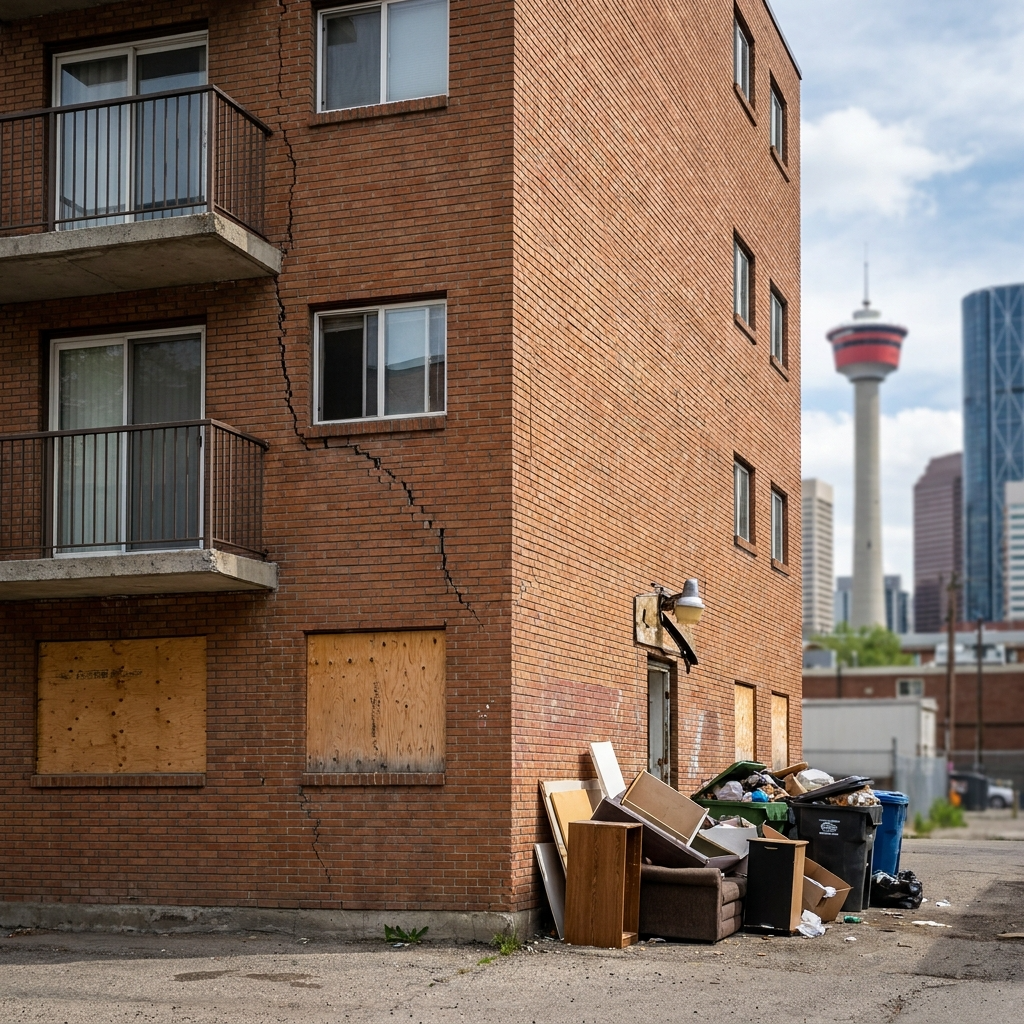
Legal mistakes expose landlords to fines, lawsuits, and order to pay compensation to tenants. Alberta’s regulatory environment protects tenant rights strongly, and ignorance of the law doesn’t excuse violations. Many Calgary landlords operate for years without realizing they’re breaking rules that could cost them dearly.
Misunderstanding Alberta’s Residential Tenancies Act
Common violations include improper entry, illegal lease clauses, and incorrect security deposit handling. Landlords must provide 24 hours written notice before entering rental units except in emergencies. Many landlords assume ownership gives unlimited access, creating privacy violations that can result in compensation orders.
Proper notice periods vary by situation. Terminating tenancies requires 90 days notice in most cases. Ending periodic tenancies needs specific timing based on rental periods. Repair notices must be reasonable given the work scope. Failing to follow correct procedures can make terminations invalid, leaving you stuck with problem tenants.
Security deposit handling follows strict rules. Deposits cannot exceed one month’s rent. They must be returned within 10 days after tenancy ends, minus legitimate deductions with itemized documentation. Interest doesn’t need to be paid in Alberta, but improperly withheld deposits can result in orders to return double the amount withheld.
Inadequate Property Insurance Coverage
Many landlords maintain homeowner policies on rental properties, creating massive coverage gaps. Homeowner insurance doesn’t cover rental-related risks like tenant damage, loss of rental income, or liability for tenant injuries. When claims get denied, landlords discover their mistake at the worst possible time.
Landlord insurance policies cost 15-25% more than homeowner coverage but provide essential protections. They cover building damage, liability for accidents, loss of rental income during repairs, and sometimes tenant default. Make sure your policy includes adequate liability limits of at least $2 million.
Claims scenarios landlords fail to anticipate include tenant injuries from property defects, damage from tenant negligence, and loss of income during extended repairs. A tenant injured by defective stairs could sue for hundreds of thousands. Water damage making units uninhabitable for months eliminates rental income. Proper insurance coverage protects against these financial disasters.
Communication Breakdowns with Tenants
Poor communication creates tenant dissatisfaction, increases turnover, and escalates minor issues into major conflicts. Many Calgary landlords underestimate how much effective communication affects their bottom line through improved tenant retention and reduced legal disputes.
Slow Response Times to Maintenance Requests
Delayed responses to maintenance requests frustrate tenants and can violate legal obligations. Alberta law requires landlords to maintain properties in habitable condition. A broken furnace in winter or major plumbing leak requires immediate attention, while cosmetic issues can wait longer.
Establishing effective communication protocols means setting clear expectations about response times. Acknowledge all requests within 24 hours, even if repairs take longer to schedule. Provide timelines for completion and updates if delays occur. This transparency maintains tenant satisfaction even when problems take time to resolve.
Emergency versus non-emergency prioritization must be defined clearly. Emergencies include no heat in winter, major water leaks, gas odors, or security failures. These require immediate action regardless of time or day. Non-emergencies like dripping faucets or minor appliance issues can be scheduled during business hours.
Lack of Clear Communication Channels
Professional communication systems benefit both landlords and tenants. Email creates written records of all interactions. Dedicated property management software tracks requests, sends automated updates, and maintains conversation history. These tools prevent he-said-she-said disputes and provide documentation for legal proceedings if needed.
Documentation practices should cover all tenant interactions. Record phone conversations in written follow-up emails. Keep copies of all notices, requests, and responses. Photograph property conditions before move-in and after move-out. This evidence proves invaluable during disputes about deposits, damages, or lease violations.
Conflict resolution through transparent communication prevents most disputes from escalating. When problems arise, listen to tenant concerns, explain your position clearly, and work toward reasonable solutions. Many conflicts stem from misunderstandings that honest conversation resolves. Address issues promptly rather than avoiding uncomfortable conversations.
DIY Management Without Proper Knowledge
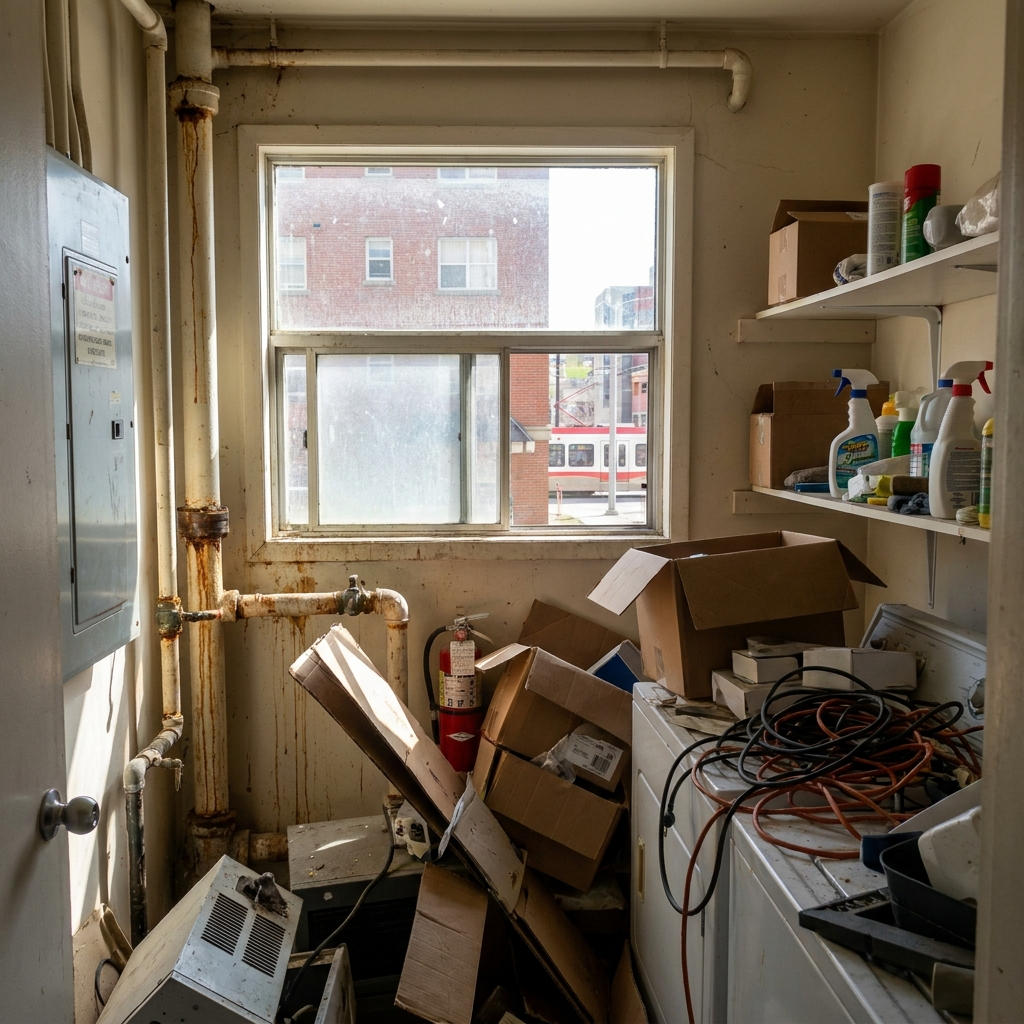
Self-managing rental properties seems like an obvious way to save money. However, many landlords underestimate the time, knowledge, and systems required for effective management. DIY approaches work for some, but others discover hidden costs that exceed professional management fees.
Underestimating the Time Commitment Required
Landlord responsibilities extend far beyond collecting rent. Showing units to prospects, screening applicants, coordinating repairs, handling tenant issues, and maintaining financial records consume significant time. A single property typically requires 10-15 hours monthly, increasing substantially during turnovers or problems.
Hidden time costs of self-management include emergency calls outside business hours, travel to properties for inspections and showings, and research to stay current on legal requirements. These interruptions disrupt your regular work and personal life. Calculate your time value honestly when deciding whether to self-manage.
Professional property management services typically charge 8-12% of monthly rent. For a property generating $2,000 monthly, that’s $160-240. If managing yourself costs 15 hours monthly, you’re earning $10-16 per hour for that work. Many landlords earn more focusing on their careers or finding additional properties rather than managing existing ones.
Missing Critical Deadlines and Obligations
Annual inspection requirements help identify maintenance needs early and document property conditions. Schedule inspections at least once yearly, providing proper notice to tenants. Use detailed checklists covering all systems, safety features, and structural elements. Missing inspections allows problems to develop unnoticed.
Tax filing deadlines create stress when financial records are disorganized. Rental income must be reported annually, requiring organized expense documentation and proper categorization. File by the April 30 deadline or face penalties and interest charges. Keep records for seven years in case of audits.
Insurance renewal and policy review timelines often get overlooked. Let coverage lapse and you’re unprotected until renewal processes. Policy terms change yearly, potentially reducing coverage or increasing costs. Review policies annually, comparing quotes from multiple insurers to ensure adequate protection at competitive rates.
How Professional Property Management Prevents These Mistakes?
Professional property management companies like DGM Property Management implement comprehensive systems that minimize common landlord errors. With over 15 years of Calgary-specific experience, professional managers understand local market conditions, legal requirements, and best practices that protect your investment.
Comprehensive systems and processes standardize operations across all properties. Professional tenant screening uses consistent criteria, thorough background checks, and employment verification. Maintenance programs schedule preventive care, respond quickly to issues, and track all work completed. Financial management provides detailed reporting, tax-ready documentation, and proper reserve planning.
Expertise in Calgary-specific regulations and market conditions helps navigate Alberta’s Residential Tenancies Act, understand seasonal rental demand patterns, and price units competitively. Professional managers maintain current knowledge of legal changes, attend industry training, and belong to professional associations that provide ongoing education.
Technology platforms enable efficient operations and compliance. Property management software tracks rent payments, schedules maintenance, communicates with tenants, and generates financial reports automatically. These systems create audit trails, reduce manual errors, and provide real-time visibility into property performance.
Access to vetted vendor networks saves money and ensures quality work. Professional managers maintain relationships with reliable contractors who provide priority service at negotiated rates. This network eliminates the trial-and-error of finding good vendors and reduces repair costs through volume discounts.
Proven tenant screening methodologies reduce turnover and problem tenancies. Professional managers have screened thousands of applicants, developing instincts for identifying quality tenants. Their processes comply with legal requirements while maximizing protection against non-payment and property damage.
Trusted by over 500 property owners, DGM Property Management delivers the expertise and systems that transform rental properties from time-consuming obligations into profitable, hands-off investments. Professional management prevents costly mistakes while optimizing returns and providing peace of mind.
Frequently Asked Questions
What is the most expensive mistake a Calgary landlord can make?
The most expensive mistake is inadequate tenant screening, which can cost $5,000-15,000 per bad tenant in lost rent, legal fees, and property damage. Poor screening leads to evictions, property destruction, and months of lost income during turnover. This preventable error impacts cash flow more severely than any other single mistake landlords make.
How often should I inspect my rental property in Calgary?
Inspect your Calgary rental property at least once annually, with additional seasonal checks recommended. Fall inspections ensure heating systems work properly before winter. Spring checks assess damage from harsh weather. Always provide 24 hours written notice to tenants before entering, except in emergencies. Regular inspections identify maintenance needs early and document property conditions.
Can I manage my own rental property without experience?
You can manage your own property without prior experience, but success requires significant time commitment and willingness to learn. Expect 10-15 hours monthly per property for tenant communication, maintenance coordination, and financial management. Study Alberta’s Residential Tenancies Act thoroughly to avoid legal violations. Many first-time landlords start with self-management and transition to professional services as their portfolio grows.
What are the legal consequences of improper tenant screening in Alberta?
Improper tenant screening itself doesn’t typically carry legal penalties, but discrimination during screening violates human rights legislation. You cannot reject applicants based on race, religion, family status, or other protected grounds. Violations can result in human rights complaints, compensation orders, and fines. However, you can legally screen based on credit, rental history, employment, and ability to pay.
How much should I budget for unexpected repairs on a rental property?n
Budget 1-3% of your property’s value annually for repairs and maintenance. For a $400,000 Calgary property, that means $4,000-12,000 yearly. Additionally, maintain emergency reserves equal to 3-6 months of operating expenses. This combination covers routine maintenance, unexpected breakdowns, and major system replacements that occur periodically. Properties older than 20 years typically need higher allocations.
What insurance coverage do I need as a Calgary landlord?
Calgary landlords need landlord insurance policies, not standard homeowner coverage. Essential coverages include building insurance for structure and your contents, liability protection of at least $2 million, loss of rental income during repairs, and optional tenant-default insurance. Annual costs typically run $1,200-2,500, depending on property value and coverage limits. Review policies yearly to ensure adequate protection.
How do I know if I need professional property management services?
Consider professional management if you own multiple properties, live far from your rentals, lack time for tenant communication and maintenance coordination, or find landlord responsibilities stressful. Calculate your time commitment monthly and multiply by your hourly earning rate. If this exceeds professional management fees of 8-12% of rent, hiring professionals makes financial sense while reducing stress and legal risks.