

Managing property maintenance requests can make or break your success as a Calgary landlord. When tenants report issues, how you respond directly affects their satisfaction, your property’s condition, and your bottom line. The difference between a smooth operation and constant headaches often comes down to having the right systems in place.
Calgary’s unique climate and rental market create specific maintenance challenges that require careful planning. From burst pipes during brutal winter cold snaps to aging building systems in older neighborhoods, local landlords face distinct pressures. Setting up efficient maintenance request handling isn’t just about keeping tenants happy—it’s about protecting your investment and meeting legal obligations under Alberta law.
This guide walks you through proven strategies for managing property maintenance requests efficiently. You’ll learn how to build systems that work, prioritize urgent issues, maintain quality vendor relationships, and keep tenants informed throughout the repair process.
Why Efficient Maintenance Request Management Matters for Calgary Landlords
Your maintenance response system directly impacts tenant retention rates. Studies show that 68% of tenants who leave rental properties cite poor maintenance response as a primary reason. In Calgary’s competitive rental market, losing good tenants means lost income during vacancy periods and additional costs for advertising, screening, and preparing units for new occupants.
Beyond tenant satisfaction, efficient maintenance management protects your property value. Small issues like minor leaks or heating inefficiencies become expensive problems when ignored. A $200 plumbing repair today can turn into $5,000 in water damage and mold remediation if left unaddressed for weeks.
Legal compliance adds another layer of importance. Alberta’s Residential Tenancies Act sets clear standards for landlord maintenance obligations. Failing to meet these requirements can result in tenant applications to dispute resolution, potential rent reductions, and damage to your reputation in Calgary’s tight-knit property management community.
Setting Up a Maintenance Request System That Works

Every successful maintenance operation starts with a clear system for receiving and tracking requests. Without organized processes, requests get lost, response times suffer, and tenant frustration builds. The goal is creating a method that captures every request, categorizes it properly, and ensures nothing falls through the cracks.
Modern property management requires choosing between digital platforms and traditional methods. Digital systems offer significant advantages for tracking, communication, and documentation. Traditional methods like phone calls and text messages still have their place for emergency situations, but they lack the paper trail and organizational benefits of dedicated platforms.
Categorizing requests by urgency level prevents confusion and sets appropriate tenant expectations. A three-tier system works well for most Calgary landlords: emergency issues requiring immediate response, urgent matters needing attention within 24-48 hours, and routine requests that can be scheduled within a week.
Digital Tools and Platforms for Tracking Requests
Property management software transforms maintenance handling from reactive chaos to proactive management. Platforms like Buildium, AppFolio, and Rent Manager offer tenant portals where renters can submit requests with photos, track status updates, and receive notifications about scheduled repairs. These systems automatically log timestamps, create work orders, and maintain permanent records.
Automated tracking eliminates the manual work of spreadsheets and paper logs. When a tenant submits a request at 11 PM on Saturday, the system captures it immediately rather than waiting until you check voicemail Monday morning. This instant logging means you can acknowledge the request quickly, even if the actual repair waits until business hours.
Tenant portals reduce communication friction significantly. Instead of playing phone tag or sending multiple text messages, tenants can check repair status anytime through their login. They receive automatic notifications when contractors are scheduled, when work is completed, and when they need to provide access to their unit.
Creating a Clear Request Submission Process for Tenants
Tenants need explicit instructions about how to report maintenance issues. Include detailed procedures in your lease agreement, move-in packet, and welcome email. Specify which method to use for different situations: online portal for routine issues, emergency phone number for urgent problems, and after-hours contact for true emergencies.
Standardized forms help tenants provide complete information upfront. Your submission template should request the issue description, location within the unit, when the problem started, and whether it’s worsening. Photo uploads catch details that text descriptions miss, especially for issues like water stains, electrical problems, or appliance malfunctions.
Clear communication about what qualifies as emergency versus routine maintenance sets realistic expectations. Many tenant complaints about slow response times stem from mismatched urgency perceptions. A comprehensive list of emergency versus non-emergency examples prevents these misunderstandings.
Prioritizing Maintenance Requests: Emergency vs. Routine
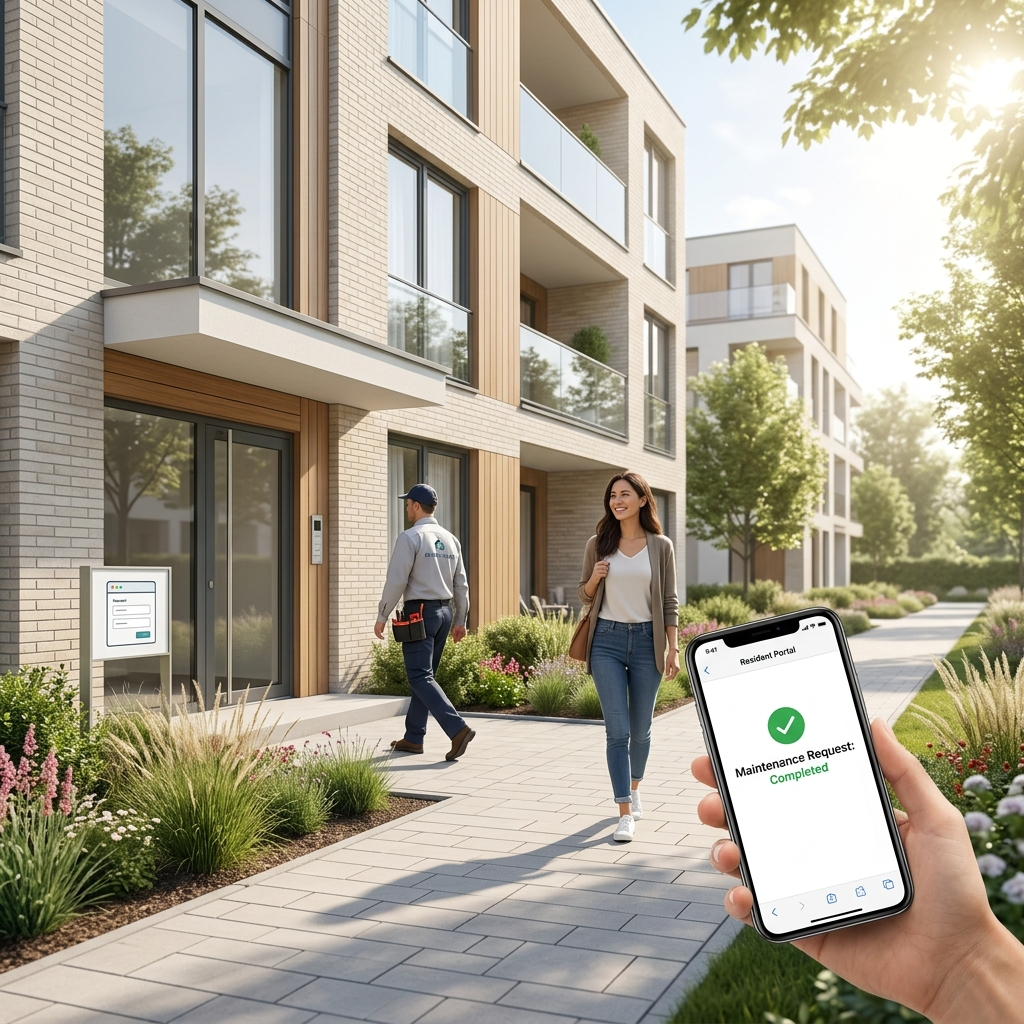
Not all maintenance requests demand the same response speed. Effective prioritization ensures you address genuine emergencies immediately while managing routine repairs efficiently. This framework protects tenant safety, prevents property damage, and optimizes your time and contractor costs.
Emergency situations in Calgary typically involve immediate threats to health, safety, or property. Complete heating system failures during January cold snaps qualify as true emergencies—tenants cannot safely remain in units when indoor temperatures drop below safe levels. Active flooding from burst pipes, gas leaks, electrical hazards, and security breaches like broken exterior door locks also require immediate response.
Routine maintenance covers everything else: dripping faucets, minor appliance issues, cosmetic repairs, and most general wear items. These matters need attention but don’t pose immediate risks. Batching routine repairs improves efficiency and reduces contractor call-out fees compared to addressing each issue individually.
Emergency Maintenance Protocols for Calgary Properties
Developing clear emergency protocols before crises occur prevents confusion when tenants call at 2 AM. Your emergency response should include an after-hours contact number that’s actually monitored, a list of 24-hour contractors for different trades, and authorization procedures that let you approve emergency work quickly without creating bottlenecks.
Winter emergencies require special attention in Calgary’s harsh climate. When overnight temperatures regularly drop to -20°C or colder, heating failures become genuine safety issues within hours. Keep relationships with furnace repair companies that offer emergency service, and consider setting aside emergency funds specifically for winter heating repairs that can’t wait.
Response time expectations should align with issue severity. True emergencies need acknowledgment within one hour and response within four hours. Urgent issues like malfunctioning refrigerators or single-room heating problems warrant next-business-day attention. Routine repairs can be scheduled within five to seven business days without compromising tenant satisfaction.
Scheduling and Managing Routine Maintenance Tasks
Batching routine repairs improves efficiency and reduces costs. When you have multiple non-urgent issues at the same property, schedule a single contractor visit to address everything at once. This approach minimizes disruption to tenants, reduces contractor travel time charges, and often results in better per-item pricing.
Communicating realistic timelines prevents tenant frustration. When acknowledging routine requests, provide specific scheduling windows: “We’ll have this repaired within the next seven business days” sets clear expectations. Follow up with exact appointment details 24-48 hours before the scheduled repair.
Seasonal planning helps manage request volume. Schedule routine maintenance like furnace servicing, gutter cleaning, and HVAC filter changes proactively before tenants report problems. This preventive approach reduces emergency calls and demonstrates your commitment to property upkeep.
Building a Reliable Network of Service Providers in Calgary
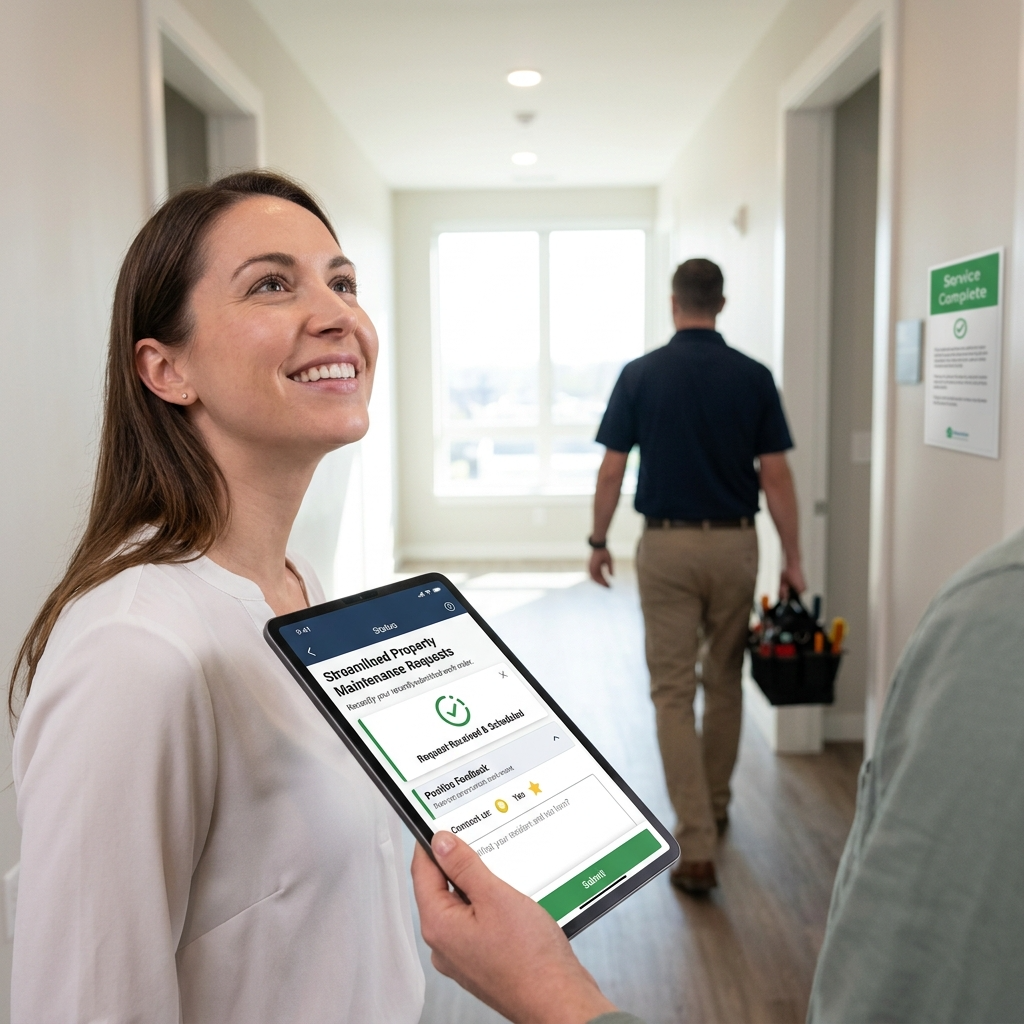
Your maintenance efficiency depends heavily on contractor reliability. Building relationships with skilled, responsive service providers who understand rental property needs makes the difference between smooth operations and constant stress. The right vendor network becomes a competitive advantage in property management.
Vetting contractors before emergencies occur saves time and reduces risk. Check licensing and insurance coverage, request references from other property owners, and verify their availability for emergency calls. Many Calgary contractors specialize in rental properties and understand the unique requirements like working around tenant schedules and providing detailed invoicing for expense tracking.
Ongoing relationships with preferred vendors deliver multiple benefits. Contractors who regularly work on your properties become familiar with the buildings, often spot developing issues during routine calls, and typically offer priority scheduling for their regular clients. Long-term relationships also create opportunities for negotiated rates and flexible payment terms.
Essential Contractors Every Calgary Landlord Needs
Every Calgary landlord should maintain relationships with core service providers across essential trades. Licensed plumbers handle everything from dripping faucets to emergency pipe repairs. During Calgary’s freeze-thaw cycles, having a plumber who responds quickly to potential pipe bursts can save thousands in water damage costs.
Electricians address safety issues and code compliance. Older Calgary properties often need electrical updates, and tenant reports of flickering lights or tripped breakers require prompt attention from qualified professionals. Never attempt electrical repairs without proper licensing—the liability risks far outweigh any cost savings.
HVAC specialists keep heating and cooling systems running efficiently. Calgary’s temperature extremes—from -30°C winter nights to +30°C summer days—put serious stress on climate control systems. Annual furnace maintenance before winter and air conditioning checks before summer prevent emergency breakdowns during peak demand periods.
Snow removal and landscaping contractors handle exterior maintenance. Calgary’s snow accumulation requires reliable removal services to maintain safe access and comply with city bylaws. Summer lawn care keeps properties attractive and prevents bylaw complaints about overgrown grass.
Maintaining Quality Control with Your Vendor Network
Evaluating contractor performance ensures consistent service quality. After each completed job, review the work personally or request tenant confirmation that repairs were completed satisfactorily. Track metrics like response time, work quality, tenant feedback, and billing accuracy for each contractor.
Documentation creates accountability and provides records for warranty issues. Require detailed invoices that specify work performed, parts used, and labor hours. Take before and after photos of significant repairs. This documentation protects you if work quality questions arise later or if warranty claims become necessary.
Regular vendor reviews help identify problems before they escalate. If a contractor’s response times start slipping or tenant complaints increase, address concerns directly and consider expanding your vendor network. Having backup options for each trade prevents dependence on single providers who may become unreliable.
Communication Best Practices Throughout the Maintenance Process
Effective communication throughout the maintenance process directly impacts tenant satisfaction. Even when repairs take time to schedule or complete, tenants who receive regular updates remain more patient and understanding. The key is acknowledging requests promptly and keeping tenants informed at every stage.
Prompt acknowledgment shows tenants their concerns matter. Responding within 24 hours—ideally within a few hours—to confirm receipt of maintenance requests sets a professional tone. This initial response doesn’t require having solutions ready; it simply confirms you received the request and are working on addressing it.
Progress updates prevent the frustration of wondering whether anything is happening. When repairs require ordering parts, scheduling multiple contractor visits, or waiting for specific conditions, brief updates maintain trust. A simple message like “Parts arrived, electrician scheduled for Thursday between 1-3 PM” takes seconds to send but significantly improves tenant experience.
What to Communicate and When
Your initial acknowledgment should confirm the request details, set expectations about response timeline, and explain the next steps. For routine issues, something like “Thanks for reporting the leaky faucet. We’ll have our plumber assess this within the next week and will contact you to schedule access” provides clear information.
Scheduling notifications need specific details about contractor visits. Provide date, time window, contractor company name, and any preparation tenants should complete. For example: “ABC Plumbing will repair your kitchen faucet on Tuesday, March 15th between 10 AM-12 PM. Please ensure someone over 18 is home to provide access, or let us know if you’ll leave a key.”
Completion notifications close the loop and invite feedback. After repairs are finished, confirm what was done and ask tenants to report any issues: “The kitchen faucet repair was completed today. Please test it and let us know if you notice any problems. Thanks for your patience while we addressed this.”
Handling Tenant Concerns and Complaints Professionally
Frustrated tenants need acknowledgment and solutions, not defensiveness. When tenants express complaints about maintenance delays or quality issues, start by validating their concerns. Phrases like “I understand this has been frustrating” or “You’re right that this has taken longer than expected” diffuse tension and show empathy.
De-escalation techniques prevent complaints from becoming disputes. Stay calm and factual, avoid making excuses, and focus on solutions. If unexpected delays occur, explain the situation honestly and provide revised timelines. Transparency builds trust even when circumstances aren’t ideal.
Documentation protects both parties when disagreements arise. Keep records of all maintenance communications, including request dates, response times, contractor visits, and completion confirmations. These records prove your responsiveness if disputes reach formal resolution processes.
Legal Requirements for Property Maintenance in Calgary

Alberta’s Residential Tenancies Act establishes landlord maintenance obligations that apply to all rental properties. Understanding these legal requirements protects you from penalties, disputes, and potential rent reduction orders. Compliance isn’t optional—it’s a fundamental responsibility of property ownership.
Landlords must maintain rental properties in a reasonable state of repair and fit for habitation. This includes ensuring plumbing, heating, electrical systems, and structural elements function properly. The property must also meet health and safety standards, including adequate ventilation, safe exits, and proper sanitation facilities.
City of Calgary bylaws add local requirements to provincial standards. Property standards bylaws address issues like exterior maintenance, pest control, and adequate heating. Failure to meet these standards can result in city inspections, compliance orders, and fines. In extreme cases, properties can be deemed unfit for occupancy.
Response Time Requirements Under Alberta Law
While Alberta legislation doesn’t specify exact response timeframes for every situation, landlords must address maintenance issues affecting habitability “promptly.” Courts and dispute resolution officers interpret “promptly” based on issue severity. Emergency situations affecting safety or basic habitability require immediate response, typically within 24 hours.
For urgent but non-emergency issues like malfunctioning appliances or heating problems in mild weather, response within 48-72 hours meets most legal standards. Routine maintenance should be addressed within a reasonable timeframe, typically one to two weeks, depending on circumstances and repair complexity.
Ignoring maintenance requests creates legal liability. Tenants can apply to the Residential Tenancy Dispute Resolution Service for orders compelling repairs, rent reductions during periods of diminished habitability, or in severe cases, early lease termination without penalty. These outcomes are far more costly than addressing maintenance promptly.
Documenting Maintenance for Legal Protection
Comprehensive maintenance records provide crucial evidence if disputes arise. Document every request with date received, issue description, response actions taken, contractor visits, completion date, and costs incurred. Digital systems automatically create these records, but manual logs work if maintained consistently.
Photographic evidence supports your position in disagreements about property conditions or repair quality. Take photos when inspecting reported issues, after completing repairs, and during regular property inspections. These images can prove conditions were addressed properly or demonstrate damage beyond normal wear and tear.
Communication records demonstrate your responsiveness. Save emails, text messages, and portal communications related to maintenance requests. If tenants claim you ignored issues, these records prove you acknowledged concerns, scheduled repairs, and kept tenants informed throughout the process.
Preventive Maintenance: Reducing Request Volume
Proactive maintenance prevents problems before tenants notice them, reducing emergency calls and extending the life of building systems and components. While preventive work requires upfront time and expense, it costs far less than emergency repairs and tenant turnover caused by maintenance frustrations.
Regular inspections catch developing issues early when repairs are simpler and cheaper. During routine property visits, check for signs of leaks, test smoke detectors, inspect weather stripping, and look for pest entry points. These quick checks often reveal minor problems you can fix before they escalate.
Scheduled maintenance extends equipment lifespan and improves efficiency. Furnaces serviced annually run more reliably and use less energy than neglected units. Regular gutter cleaning prevents ice dams and water damage. Replacing HVAC filters quarterly improves air quality and system performance.
Seasonal Maintenance Planning for Calgary Properties
Calgary’s extreme seasonal changes demand specific maintenance timing. Spring maintenance focuses on recovering from winter damage: inspect roofs for missing shingles, check foundations for cracks from freeze-thaw cycles, clean gutters of winter debris, and test air conditioning systems before summer heat arrives.
Summer allows exterior projects and preventive work before winter returns. Schedule exterior painting, deck repairs, window caulking, and landscaping improvements. Have furnaces professionally serviced in August or September before heating season starts. This timing avoids the rush when cold weather hits and ensures systems are ready.
Fall preparation protects properties from Calgary’s harsh winters. Clean gutters again after leaves fall, disconnect and drain exterior hoses, inspect weather stripping around doors and windows, and check that heating systems are functioning properly. Schedule snow removal contracts before the first snowfall.
Winter maintenance focuses on immediate safety and preventing cold-related damage. Monitor heating performance, address ice dam formation quickly, ensure walkways remain clear, and watch for signs of frozen pipes in extreme cold. Quick response to winter issues prevents extensive damage.
Regular Inspection Schedules That Catch Problems Early
Inspection frequency depends on property type and condition. Newer properties with quality tenants may only need annual inspections, while older buildings or properties with maintenance histories benefit from quarterly visits. Balance thorough monitoring with tenant privacy rights and notice requirements.
During inspections, systematically check all major systems. Test plumbing fixtures for leaks, examine electrical outlets and switches, verify smoke and carbon monoxide detectors function, inspect appliances for wear, and check windows and doors for proper operation. Look for signs of moisture, pest activity, or unreported damage.
Documenting inspection findings creates baseline records for tracking property conditions. Note both positive observations and concerns requiring attention. Share findings with tenants, highlighting any issues they should monitor or actions they need to take, like removing stored items from furnace areas.
Measuring and Improving Your Maintenance Response Performance
Tracking maintenance metrics reveals operational strengths and identifies improvement opportunities. Without measurement, you’re operating blind—unable to tell whether your processes work effectively or where problems exist. Data-driven management leads to better outcomes and more efficient operations.
Key performance indicators for maintenance include average response time from request to acknowledgment, average time from request to completion, percentage of requests completed within target timeframes, and tenant satisfaction scores. These metrics provide objective measures of your maintenance program’s effectiveness.
Tenant feedback offers qualitative insights that numbers alone miss. After major repairs, ask tenants to rate their experience with the process, contractor professionalism, and result quality. This feedback highlights service gaps and helps identify which contractors consistently deliver positive experiences.
Metrics That Matter for Maintenance Efficiency
Average response times show how quickly you acknowledge and address requests. Calculate separately for emergency, urgent, and routine categories since expectations differ. If your average emergency response time exceeds four hours or routine repairs take more than two weeks, investigate bottlenecks in your process.
Completion rates measure what percentage of maintenance requests are resolved versus those that remain open past reasonable timeframes. A high percentage of aging open requests suggests system breakdowns, insufficient contractor availability, or unclear responsibilities for follow-through.
Tenant satisfaction scores provide the ultimate measure of maintenance program success. Simple post-repair surveys asking tenants to rate their experience on a 1-5 scale generate valuable data. Consistent scores below 4 indicate serious problems requiring immediate attention.
Cost per request helps identify efficiency opportunities. Track total maintenance spending divided by number of requests handled. Rising costs per request might indicate contractor pricing increases, preventive maintenance neglect causing more expensive reactive repairs, or inefficient scheduling that increases contractor travel charges.
Continuous Improvement Strategies
Regular process reviews identify recurring issues and system weaknesses. Quarterly, analyze your maintenance data looking for patterns. Do certain properties generate disproportionate requests? Are specific contractors consistently slow? Do particular issue types take longer than they should?
Learning from recurring problems prevents repeated headaches. If you’re constantly repairing the same issue at a property, investigate root causes. Repeatedly patching a leak wastes money compared to replacing failing components. Chronic appliance problems suggest replacing equipment rather than continuing repairs.
System refinements based on real experience improve efficiency over time. If tenants consistently misunderstand your request process, simplify instructions. If contractors miss scheduled appointments, consider changing providers or adjusting how you communicate expectations. Small improvements compound into significantly better operations.
Frequently Asked Questions
What is considered an emergency maintenance request in Calgary?
Emergency maintenance includes situations threatening tenant safety or causing property damage: complete heating system failure during winter, active flooding or major leaks, gas leaks, total power loss, sewage backups, broken exterior door locks compromising security, and exposed electrical hazards. These situations require immediate response within a few hours.
How quickly should a landlord respond to a maintenance request in Alberta?
Alberta law requires landlords to address maintenance “promptly” based on severity. Emergency issues need response within 24 hours, urgent matters within 2-3 days, and routine repairs within one to two weeks. While exact timeframes aren’t legislated, these standards align with legal interpretations and best practices.
Can tenants withhold rent if maintenance requests are ignored in Calgary?
Tenants cannot legally withhold rent in Alberta, even for unaddressed maintenance. Instead, tenants should apply to the Residential Tenancy Dispute Resolution Service, which can order repairs, rent reductions, or allow lease termination if landlords fail to meet maintenance obligations. Withholding rent creates legal liability for the tenant.
What maintenance responsibilities can be delegated to tenants?
Tenants are responsible for minor maintenance like changing light bulbs, replacing batteries in smoke detectors, keeping units clean, and preventing damage from negligence. Landlords remain responsible for repairs to building systems, appliances, structural elements, and anything requiring licensed trades. Lease agreements can specify additional tenant responsibilities if reasonable.
How do professional property managers handle maintenance more efficiently than individual landlords?
Professional property managers maintain established contractor networks, use specialized software for tracking requests, have systems for prioritizing and scheduling repairs, and employ staff dedicated to maintenance coordination. Their volume creates economies of scale and preferred vendor relationships that individual landlords struggle to achieve.
Should landlords allow tenants to arrange their own repairs?
Generally, landlords should not allow tenants to arrange repairs except in genuine emergencies when the landlord cannot be reached. Tenant-arranged repairs create quality control issues, complicate warranty situations, and make expense verification difficult. Instead, provide clear emergency contact procedures that let tenants reach you or your designated representative.
What are the most common maintenance requests in Calgary rental properties?
Common Calgary rental maintenance requests include heating system issues during winter, plumbing problems like dripping faucets and running toilets, appliance repairs for refrigerators and stoves, electrical concerns like non-functioning outlets, weather-related issues such as ice dams and drafty windows, and seasonal requests like air conditioning service before summer.
How can landlords reduce maintenance costs without compromising quality?
Reduce costs through preventive maintenance that catches problems early, negotiating service contracts with preferred vendors for better rates, batching multiple repairs into single visits, maintaining good contractor relationships that result in priority scheduling and fair pricing, and addressing issues promptly before they escalate into expensive emergency repairs.
Building Your Efficient Maintenance Management System
Efficient maintenance request handling separates successful Calgary landlords from those constantly fighting fires. The strategies in this guide provide a roadmap for creating systems that work: clear request processes, proper prioritization, reliable contractor networks, consistent communication, legal compliance, and preventive planning.
Start by implementing one improvement at a time rather than overhauling everything simultaneously. Choose the area causing your biggest headaches—whether that’s emergency response protocols, contractor relationships, or tenant communication—and focus there first. As each system improves, tackle the next priority.
Remember that maintenance efficiency directly impacts your success as a property owner. Tenants who experience responsive, professional maintenance handling stay longer, treat properties better, and recommend you to others. Properties with solid maintenance management maintain value, avoid expensive emergency repairs, and generate better returns. The time invested in building efficient maintenance systems pays dividends for years to come.