



Quick Answer: The three most effective ways to maximize rental income from a Calgary investment property are setting a competitive, data-backed rental price, minimizing vacancy periods through fast tenant placement, and making targeted upgrades that justify higher monthly rent. Everything else builds from these three foundations.
Why Rental Income Optimization Matters for Calgary Property Owners
Owning a rental property in Calgary is one thing. Getting the most out of it is another. Many property owners assume that having a tenant in place means their investment is performing well, but that is not always the case. Passive ownership, where you set a rent price once and leave things largely untouched, consistently underperforms compared to a structured, proactive approach.
Calgary’s rental market is dynamic. Vacancy rates shift with economic cycles, population growth, and housing supply. According to CMHC’s 2025 rental market data, Calgary has maintained one of the tighter vacancy environments among major Canadian cities, hovering around 2.7% for purpose-built rentals. That signals strong demand, but it also means competition among landlords for quality tenants is real and ongoing.
Property owners who treat their rental like a business, reviewing pricing regularly, maintaining their units proactively, and placing tenants carefully, consistently see stronger net returns than those who take a hands-off approach. The gap between the two is not small. Over a five-year period, the difference in net income can amount to tens of thousands of dollars.
This guide walks through the core strategies that Calgary landlords use to protect and grow their rental income, whether you manage one property or a growing portfolio.
How Do You Set the Right Rental Price in Calgary?

The right rental price in Calgary is the highest amount the market will support without extending your vacancy period. That single sentence captures the balancing act every landlord faces. Price too high and the unit sits empty. Price too low and you leave real money on the table every single month.
Finding that number requires more than guessing or copying a neighbor’s listing. It requires understanding current demand, local comparables, and how your property’s specific features stack up against what else is available.
Understanding Calgary’s Rental Market Benchmarks
Calgary’s rental market does not behave uniformly across all neighborhoods or property types. A two-bedroom unit in Beltline commands very different rates than a comparable unit in Coventry Hills. Proximity to LRT stations, school quality, walkability scores, and neighborhood amenities all shape what renters are willing to pay.
Seasonal trends also matter. Calgary typically sees stronger rental demand in the spring and early summer as people relocate for new jobs, school transitions, and lease expirations. Listing a vacancy in February versus May can meaningfully affect how quickly you find a tenant and at what price point.
To benchmark your rental accurately, look at active comparable listings on platforms like Rentals.ca and Zumper, review recently rented comparable units when that data is available, and factor in your property’s condition relative to the market. A unit with updated finishes, in-suite laundry, and a parking stall can justify a premium of $100 to $200 per month above base comparables in most Calgary neighborhoods.
How Often Should You Review Your Rental Price?
A rental price set two years ago is almost certainly no longer accurate. Calgary’s rental market has shifted considerably over the past few years, with average rents climbing steadily in response to population growth and limited new supply. Property owners should review their rental pricing at every lease renewal and at least once annually even during longer tenancies.
Under Alberta’s Residential Tenancies Act, there is no rent control, which means landlords can adjust rents between tenancies or with proper notice during existing agreements. The practical strategy is to review pricing at least 90 days before a lease renewal, compare it to current market rates, and adjust accordingly. Incremental increases of 3% to 5% annually, where market conditions support it, are far easier for tenants to accept than a large jump after several years of stagnation.
Value-Adding Upgrades That Justify Higher Rent

Not every improvement to your property translates into higher rent. Some renovations look great but do little to move the needle on what tenants will actually pay. The most effective upgrades for Calgary rentals are the ones that directly address what renters prioritize: functionality, comfort, and modern aesthetics at a reasonable price point.
Think updated kitchen fixtures, fresh neutral paint, energy-efficient appliances, modern lighting, and durable flooring like luxury vinyl plank. These changes cost significantly less than a full renovation but can support rent increases of $75 to $150 per month in many Calgary markets. Over a 12-month tenancy, that is $900 to $1,800 in additional revenue from a relatively modest investment.
Larger projects like full bathroom remodels or kitchen overhauls can also pay off, but the payback period is longer and the return depends heavily on the property’s location and price segment. It is always worth calculating the expected rent increase against the cost before committing to a major renovation.
Which Upgrades Offer the Best ROI for Calgary Rentals?
For most Calgary rental properties, the highest-return improvements fall into three categories. First, cosmetic refreshes, things like fresh paint, updated hardware, and modern light fixtures, deliver strong visual impact for a low cost and are often enough to push a listing ahead of comparable units in search results. Second, appliance upgrades, specifically replacing aging appliances with stainless steel or energy-efficient models, are consistently cited by Calgary renters as a deciding factor when choosing between similar properties. Third, flooring replacement, particularly swapping worn carpet for vinyl plank or hardwood-style options, dramatically improves perceived quality and reduces long-term maintenance costs.
Large-scale renovations like adding a bedroom or finishing a basement can add meaningful value, but the cost-to-return ratio is less predictable. In Calgary’s mid-range rental market, renters are willing to pay a premium for clean, well-maintained, and modern-feeling units, not necessarily for luxury finishes.
Reducing Vacancy Periods to Protect Rental Income
Vacancy is one of the most significant income threats a Calgary landlord faces, and it is one that many underestimate until it hits. A single month of vacancy on a property renting at $2,000 per month represents $2,000 in lost revenue that you can never recover. If that happens annually, it effectively reduces your annual gross rental income by more than 8%.
The goal is not just to find tenants quickly but to find the right tenants quickly. A rushed placement that results in non-payment, property damage, or early lease termination creates a far bigger vacancy problem than the original gap.
How Fast Tenant Placement Impacts Your Annual Returns
Consider a Calgary rental property generating $2,200 per month. If the average vacancy between tenancies is 30 days, the landlord loses $2,200 annually just from that gap. Reducing that vacancy period to 14 days through better marketing and faster screening processes saves over $1,000 per year, effectively providing a 4.5% income improvement with no rent increase required.
Scaled across multiple properties, or over a 10-year ownership period, the compounding impact of consistently short vacancy periods becomes one of the most powerful income optimization strategies available to Calgary landlords.
Marketing Your Calgary Rental Property Effectively
The quality of your rental listing directly affects how quickly you find qualified tenants. A listing with professional photographs, a clear and honest description, accurate pricing, and strong platform placement will consistently outperform a listing with smartphone photos and vague details.
For Calgary rentals, the most effective platforms currently include Rentals.ca, Zumper, and Facebook Marketplace for broader reach. Posting at the right time matters too, as listings published on Tuesday through Thursday tend to receive more views than weekend posts. Including virtual tours has become increasingly expected, particularly for higher-priced units where prospective tenants want to screen properties before scheduling a visit.
The Role of Tenant Quality in Long-Term Rental Income

The single most reliable driver of consistent rental income is placing the right tenant from the start. A reliable, long-term tenant who pays on time, respects the property, and renews their lease reduces vacancy, eliminates turnover costs, and protects the physical condition of your investment.
Thorough screening is not optional if you want stable income. That means verifying employment and income (a common benchmark is rental costs not exceeding 35% of gross monthly income), running credit checks, and contacting previous landlords directly rather than relying solely on written references.
Landlords who skip or rush screening to fill a vacancy faster almost always pay for it later. Late payments, disputes, property damage, and eviction proceedings are not just stressful, they are expensive. A single problematic tenancy can wipe out two or three years of steady income gains made through pricing and upgrade strategies.
Building a clear and consistent screening process, applied equally to every applicant in compliance with Alberta’s human rights legislation, is one of the most important income-protection habits a Calgary landlord can develop.
How Professional Property Management Increases Net Rental Income
Many Calgary landlords assume that managing their property themselves saves money. In reality, self-management often costs more than it saves when you account for vacancy periods, below-market pricing, deferred maintenance, and the time cost of handling tenant issues personally.
A professional property management partner coordinates pricing strategy, tenant placement, maintenance response, vendor relationships, and legal compliance under one roof. Each of these functions, when handled well, directly protects or grows your net rental income.
DGM Property Management has been serving Calgary property owners for over 15 years and currently supports more than 500 owners across the city. That depth of local experience means access to market data, trusted vendor networks, and proven tenant screening processes that individual landlords rarely have on their own.
What Services Directly Impact Your Rental Income?
Not all property management services affect your income equally. The services with the most direct impact on net returns are tenant placement, which reduces vacancy and turnover costs; maintenance coordination, which prevents small issues from becoming expensive repairs; financial reporting, which gives you clear visibility into income and expenses; and lease management, which ensures pricing is reviewed and updated at the right intervals.
When these functions are handled professionally and consistently, the result is fewer income disruptions, lower maintenance costs through proactive care, and better pricing accuracy over time. For most Calgary property owners, the cost of professional management is more than offset by the income gains and cost savings it generates.
Legal Compliance and How It Protects Your Rental Revenue
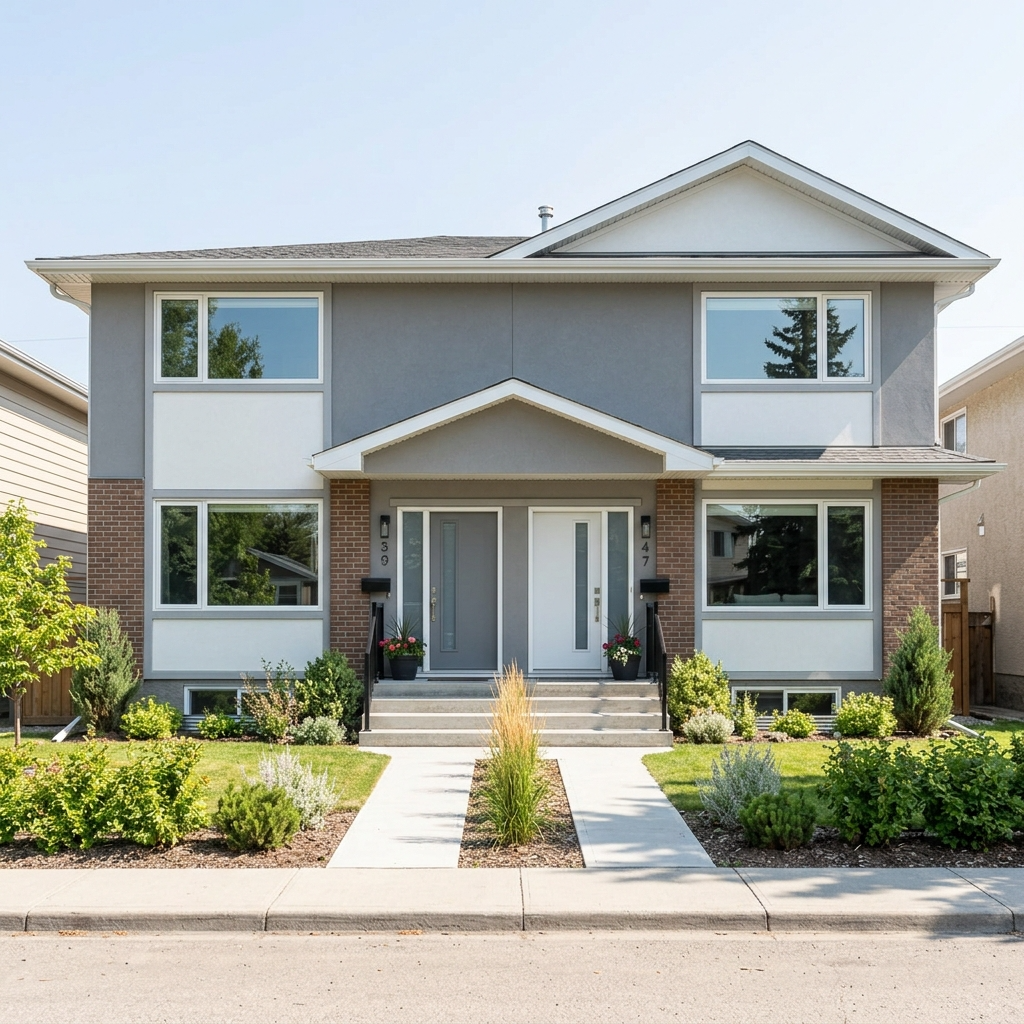
Alberta’s Residential Tenancies Act governs nearly every aspect of the landlord-tenant relationship, from how deposits are collected to how notices must be served. Getting these details wrong, even unintentionally, can result in costly disputes, tribunal hearings, and vacancies caused by legal missteps rather than market conditions.
Think of compliance not as a burden but as income protection. A landlord who serves an improper notice of termination, for example, may find themselves unable to reclaim their property on the timeline they expected, losing weeks or months of rental income in the process. Similarly, failing to return a damage deposit correctly or within the required timeframe can trigger financial penalties.
Staying current with changes to Alberta tenancy law, understanding your obligations around maintenance response times, and using properly drafted lease agreements are all straightforward ways to protect your rental revenue from preventable legal complications.
Using Financial Reporting to Track and Grow Rental Income
If you do not measure your rental income performance, you cannot improve it. Detailed financial reporting is the foundation of any serious income optimization strategy for Calgary property owners. It tells you not just what you are earning but where money is leaking out and what reinvestment decisions make sense.
Many landlords track only two numbers: rent received and mortgage payment. That approach misses critical information about maintenance cost trends, vacancy costs, and whether your rental yield is keeping pace with market appreciation. A clear monthly financial report changes that.
What Financial Metrics Should Calgary Landlords Monitor?
There are five key metrics every Calgary landlord should track consistently. Gross rental yield, calculated as annual rent divided by property value, gives you a top-line view of income performance. Net operating income, which subtracts operating expenses from gross income, shows what you actually keep after costs. Vacancy rate, measured as a percentage of potential rental days lost to vacancy, directly signals how well your placement strategy is working. Maintenance cost ratio, expressed as maintenance expenses as a percentage of gross rent, helps you identify properties that may need capital investment. And rent-to-value ratio tracks how your monthly rent compares to the property’s current market value, helping you decide whether to hold, reinvest, or reposition.
Reviewing these five metrics quarterly gives Calgary property owners the data they need to make informed decisions rather than reactive ones.
Frequently Asked Questions
What is a realistic rental yield for an investment property in Calgary?
A realistic gross rental yield for Calgary investment properties typically falls between 4% and 6%, depending on the property type, neighborhood, and purchase price. Properties in higher-demand inner-city neighborhoods may yield slightly lower gross figures but often offer stronger appreciation potential. Net yields after expenses generally range from 2.5% to 4%.
How can I increase my rental income without raising rent?
The most effective ways to grow rental income without a rent increase include reducing vacancy periods, lowering maintenance costs through preventive care, negotiating better vendor contracts, and adding income streams like parking, storage, or utility billing arrangements where permitted under Alberta tenancy law.
Does hiring a property management company in Calgary actually increase my net income?
For most landlords, yes. Professional property management improves net income by reducing vacancy periods, maintaining accurate market-rate pricing, preventing expensive deferred maintenance, and avoiding legal and compliance costs. The management fee is typically offset by these gains within the first year.
How does tenant turnover affect my total rental income?
Tenant turnover is expensive. Each turnover cycle involves a vacancy period, cleaning and repair costs, listing expenses, and time spent screening applicants. Depending on the property, a single turnover can cost $1,500 to $4,000 when all factors are counted. Retaining good tenants through fair treatment, responsive maintenance, and reasonable rent increases is one of the most cost-effective income strategies available.
What upgrades are most valued by Calgary renters?
Calgary renters consistently prioritize updated appliances, in-suite laundry, functional kitchen and bathroom spaces, and quality flooring. Secondary preferences include parking, storage, and fast internet infrastructure. Cosmetic upgrades like fresh paint and modern fixtures also rank highly because they signal that the landlord actively maintains the property.
How do I know if my Calgary rental property is priced correctly?
Your property is likely priced correctly if you receive multiple qualified inquiries within the first 7 to 10 days of listing and fill the vacancy within 2 to 3 weeks. If you receive no inquiries, the price may be too high or the listing quality too low. If you receive immediate applications without any negotiation, it may be priced below market.
Can professional maintenance coordination reduce my overall property costs?
Yes. Property managers who have established vendor relationships typically access preferred pricing on repairs and maintenance services. They also catch minor issues early before they develop into costly repairs, which is one of the most consistent ways professional management reduces total property expenses over time.
Maximizing rental income from a Calgary investment property is not about one big move. It is about doing several things consistently well: pricing accurately, placing quality tenants quickly, maintaining the property proactively, staying compliant, and tracking your numbers closely. Whether you manage your property independently or work with a professional team like DGM Property Management, applying these strategies systematically will put your Calgary rental income on a stronger and more predictable path.
Have experience managing a Calgary rental property? Share what has worked for you in the comments below — your insights may help another local landlord make a better decision.